
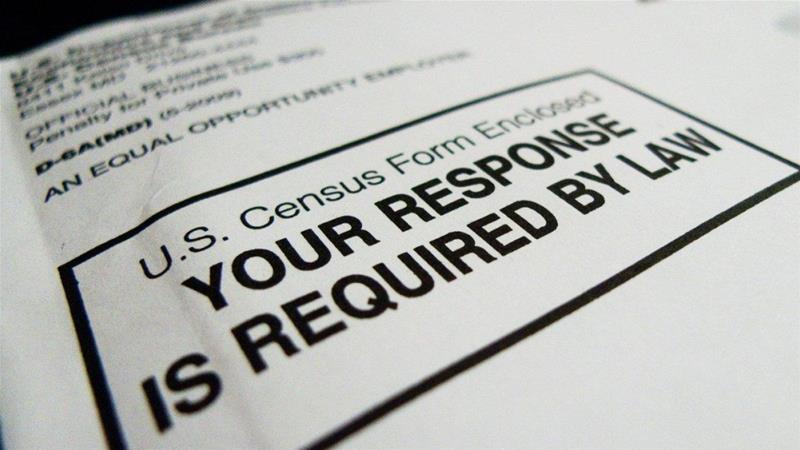
This could be very damaging to Democrats and their power in the House. The next census is coming up soon and the plan was to include a citizenship question in order to use that for distributing congressional districts and receiving government grants.
Both California and New York could lose between 1 and 3 House seats if illegals aren’t counted. The amount of money they receive from the federal government will be reduced. It is unusual but not illegal for the Supreme Court to take this measure, but if the question is approved, it must be ready for printing of the census forms by July.
By taking the case early, the court is indicating that the question will be approved.
The Supreme Court will decide whether the 2020 census can ask every person in America if they are a U.S. citizen, granting review Friday on a legal challenge to that question and bypassing the federal appeals court in an extremely rare move not seen in many years.
The Constitution commands in Article I, Section 2, that every ten years the U.S. government will conduct a nationwide census, and that congressional seats will be apportioned among the states based on those numbers. The Constitution mentions the census again in Article I, Section 9, Clause 4.
The Supreme Court long ago handed down a series of cases holding that the Equal Protection Clause of the Constitution’s Fourteenth Amendment requires that every state and federal legislative district within each state must represent the same number of people. The Court characterized this rule as, “One person, one vote.” Those district lines are likewise based on census data.
But if that means equal political representation, then some argue that each lawmaker should represent an equal number of American citizens, rather than all persons – which include aliens, both legal and illegal. In 2016, the Supreme Court in Evenwel v. Abbottleft answered the question of whether states could draw their district lines based on citizenship instead of total population until a state took that option and someone challenged it in court.