
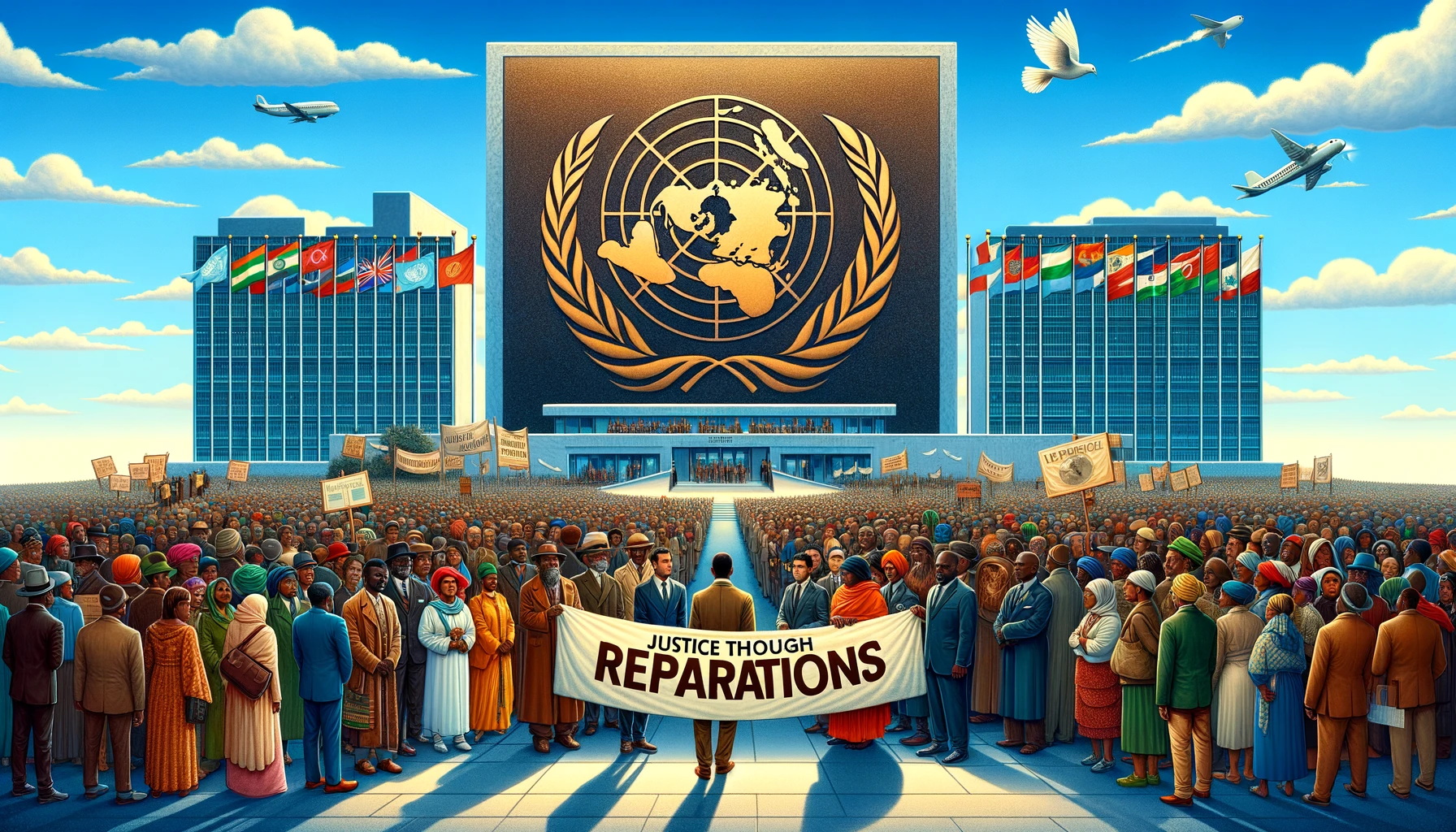
In a compelling address during the International Day of Remembrance of the Victims of Slavery, United Nations Secretary-General António Guterres, represented by his Chef de Cabinet Earle Courtenay Rattray, made a poignant call for reparations to address the enduring impacts of slavery and systemic racism. Guterres highlighted the necessity of reparatory justice frameworks to combat generations of exclusion and discrimination, emphasizing the role of reparations in facilitating healing, justice, and the rectification of historical wrongs.
This call to action underscores a commitment to confronting the legacies of the Transatlantic slave trade, which saw over 12 million African people forcibly transported and enslaved across the Americas. Guterres pointed out that the ideologies underpinning such atrocities continue to influence societies today, urging a collective effort to dismantle racist oppression and address the marginalization and impoverishment stemming from slavery’s long shadow.
The UN’s stance on reparations is part of a broader movement gaining momentum across the globe, particularly in the United States, where discussions on reparatory measures for African descendants are increasingly prominent. Various American cities and states are exploring the concept of reparations, with committees being formed to investigate slavery’s impact and determine appropriate compensatory measures.
Guterres’ statement followed a UN report advocating for countries to consider financial reparations among other remedies for the historical enslavement of African people. This report emphasizes that the legacy of slavery remains unaddressed despite lasting over 400 years, highlighting the complexity of assessing economic damages and identifying the perpetrators and victims of such historical injustices.
The growing calls for reparations in the US and the UN’s advocacy for global reparatory justice represent a critical juncture in the fight against racial inequality and the quest for historical accountability. As nations grapple with these issues, the conversation on reparations is set to remain a pivotal aspect of international discourse on human rights, social justice, and the quest for an equitable society.