
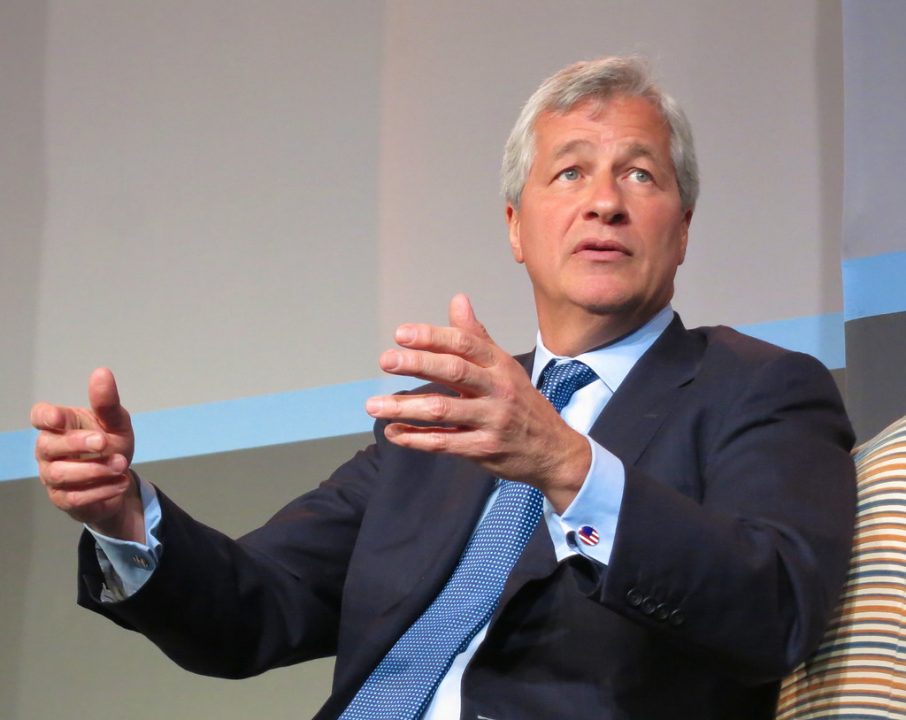
Despite the recent financial catastrophe that shook the nation and his negative comments from last year, JPMorgan Chase CEO Jamie Dimon was optimistic about the future of the U.S. economy.
In his annual shareholder letter, one of Wall Street’s most influential investment bankers, Jamie Dimon, predicted that increased consumer spending and the huge savings that households made during the lockdown-caused recession would eventually lead to a strong economy.
The official reported that “unemployment is extremely low and wages are rising, particularly at the low end.” “Consumers would be in much better condition even if we enter a downturn than they were during the Great Financial Crisis. Last but not least, companies are thriving, supply chains are being repaired, and credit losses are at historically low levels.
A year ago in the summer, Dimon said that JPMorgan Chase would be “very conservative” with their balance sheet in preparation for a “hurricane” in the economy. The executive reversed his previous opinion and expressed optimism, saying he now believes the “hurricane” has been reduced to “storm clouds” from which he anticipates a “peaceful and painless dissipation.”
In addition, he warned that discussions of risk “begin to cloud your judgment” and divert focus from the true state of the economy. “In the future, there are many positive things,” he said.
Two U.S. medium-sized banks, Silicon Valley Bank and Signature Bank, collapsed abruptly due to a run on the banks by their clients, prompting the stockholder letter. This resulted in the FDIC seizing authority of the financial institutions. Once the eighth largest investment bank in the world, Credit Suisse was acquired by competitor UBS due to issues with risk and regulatory management.
In the letter, Dimon, who is in charge of the largest investment bank in the world, said that the blunders “show that just meeting regulatory requirements is not enough” for banks to ensure their survival in difficult times. The increasing impact of interest rates on investments and the large number of uninsured clients, he said, were “hiding in plain sight” risks in the American financial sector.
Because of the Federal Reserve’s rate hikes, the value of Silicon Valley Bank’s bond collection, which was sold to fund withdrawals, plummeted. Assets in the financial system are worth $2 trillion less than what they are written down to be, according to a report by researchers at the National Bureau of Economic Research. This is because monetary stimulus was rolled back after being held to bolster the economy during the crisis.
Dimon stated that the present instability is much less severe than the circumstances that triggered the 2008 financial crash.
The catastrophe “is still ongoing as I write this letter, and even when it is over, the effects will last for years,” he said. In this banking crisis, “there are a lot fewer financial players and problems to solve.”
Also, Dimon praised the state of American business, calling the federal government a “very important silent partner” in making the American economy secure relative to others. He quoted Berkshire Hathaway CEO Warren Buffett as saying the firm’s success is “based on the extraordinary conditions our country creates.”