
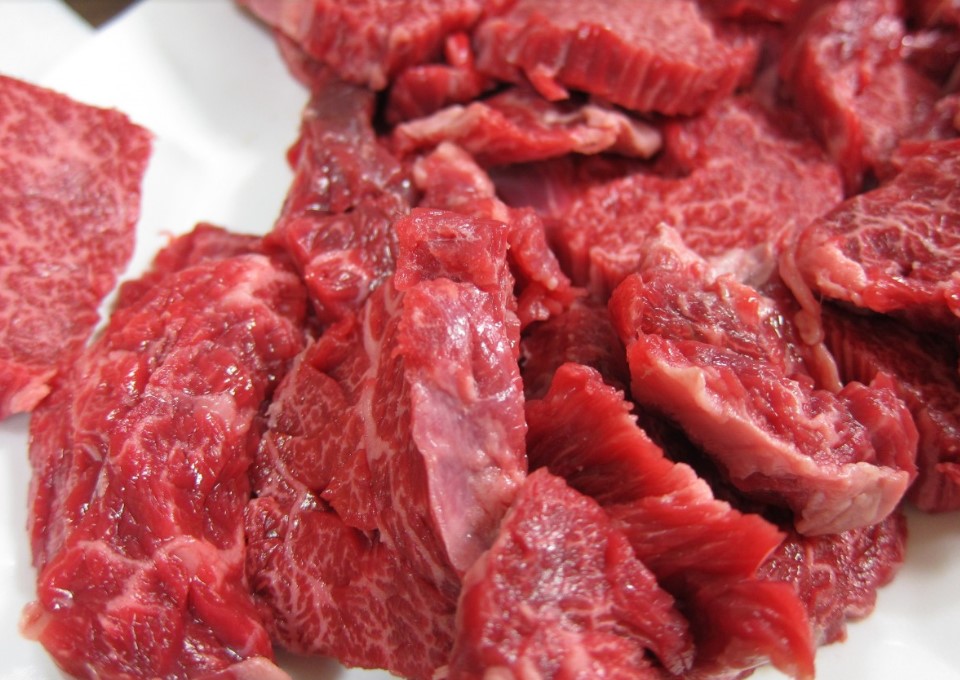
In a groundbreaking development, the United States Department of Agriculture has granted approval for the commercial sale of “lab-grown” meat. Two California-based companies, Good Meat and Upside Foods, have received the green light to sell chicken produced from animal cells, making the U.S. the second country worldwide to permit the sale of this cultured and cell-cultivated meat.
Josh Tetrick, the CEO of Good Meat’s parent company, expressed the significance of this announcement, stating, “This marks a pivotal moment for our company, the industry, and the food system as a whole.” While the FDA had previously granted approval for lab-grown meat, the USDA’s endorsement now allows for commercial sales. However, due to high production costs, the companies do not plan to introduce their products to grocery stores just yet. Singapore is the only other country that legally permits the sale of lab-grown meat, while Italy took steps to prohibit its sale in order to protect its culinary heritage.
The lab-grown meat produced by these companies will be labeled as “cell-cultivated chicken,” emphasizing its environmentally sustainable nature compared to conventional farm-raised animals. Good Meat proudly declares on its website, “GOOD Meat is authentic meat created without deforestation or the loss of animal life. We are the first and only company in the world to offer cultivated meat derived from cells instead of slaughtered animals.” Upside Foods’ CEO, Uma Valeti, believes that this approval signifies a significant stride towards a more sustainable future that respects both consumer choice and animal welfare.
However, a recent preprint study published in May, which has yet to undergo peer review, suggests that lab-grown meat may have a more detrimental environmental impact than traditional meat. The study indicates that if companies need to purify growth media to pharmaceutical standards, it requires additional resources, thereby increasing global warming potential. Derrick Risner, the lead author of the study, warns that if lab-grown meat continues to be produced using this resource-intensive approach, it may prove more harmful to the environment and more costly than conventional beef production.
Lab-grown meat is cultivated from animal cells, described by Valeti as akin to a “starter dough.” These cells are nurtured and grown into meat masses within steel tanks before being processed and transformed to resemble traditional meat. It is important to note that lab-grown meat differs from plant-based meat substitutes like Impossible Foods and Beyond Meat.
Initially, two restaurants have partnered with Good Meat and Upside Foods to serve these innovative lab-grown products. Bar Crenn, a San Francisco-based Japanese-style restaurant, will offer Upside Foods’ lab-grown meat, while a restaurant in Washington, D.C., will feature Good Meat’s creation. This collaboration demonstrates the early adoption and anticipation surrounding lab-grown meat in the culinary world.