
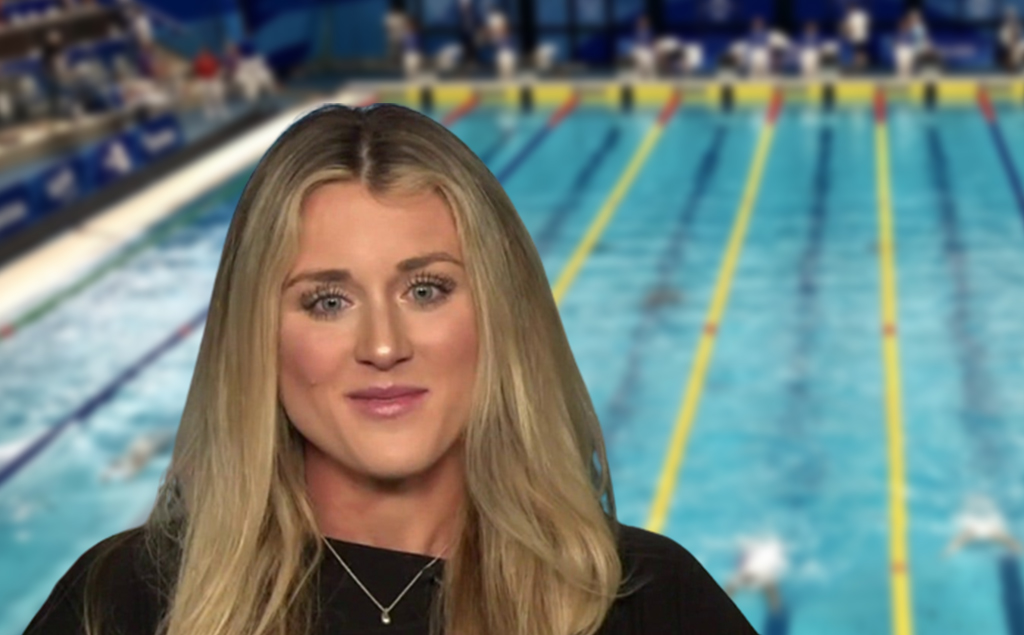
Riley Gaines, a former NCAA swimmer, expressed her strong disagreement with U.S. Women’s National Team players Megan Rapinoe and Alex Morgan regarding the inclusion of transgender athletes in women’s sports. Speaking on “Fox & Friends,” Gaines criticized their stance as disingenuous virtue signaling. She argued that Rapinoe and Morgan, who have achieved success in women’s sports, are now willing to sacrifice opportunities for girls by advocating for inclusivity that she believes is actually exclusive.
Both Rapinoe and Morgan have voiced their support for transgender athletes participating in women’s sports. Rapinoe, among other athletes, signed a letter opposing legislation aimed at protecting girls and women in sports. Last year, Rapinoe emphasized the importance of considering the lives of transgender athletes and challenged the notion that high school volleyball teams should outweigh the rights of individuals.
Morgan, too, expressed her support for transgender kids playing sports according to their gender identity rather than their biological sex. She highlighted the need for difficult conversations and taking a stand for what she believes is right, including supporting trans kids in sports.
Despite their differing opinions, both Rapinoe and Morgan are set to represent the U.S. at the 2023 Women’s World Cup, marking their fourth World Cup appearances.
Gaines, known for her staunch defense of women’s sports, made these remarks about the soccer stars shortly after her emotional opening statement at a Senate hearing on defending the civil rights of LGBTQ+ Americans. She recounted her personal experience of competing alongside transgender athlete Lia Thomas and raised concerns about sharing a locker room with Thomas. Gaines expressed her frustration with the nonchalant response she received from an official, who explained that the locker rooms had been made unisex to accommodate Thomas. She argued that this normalization of the situation made her and other athletes uncomfortable and left them without a voice to defend biological female athletes.
Gaines emphasized that the issue she faced is not isolated but rather a widespread problem affecting parents, coaches, and players across the country. She saw herself as a spokesperson for those who are fearful and unable to speak out, highlighting the larger issues of fairness and freedom of speech at stake.