
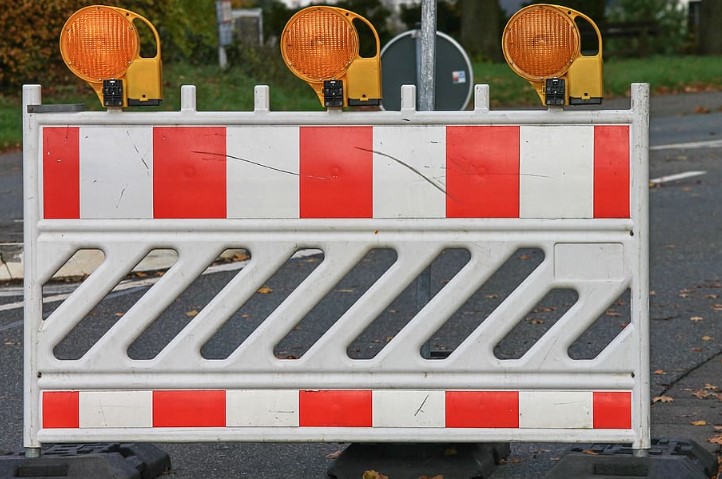
A recent incident in Washington, DC, involving angry motorists and climate activists from the group Declare Emergency has sparked controversy and drawn attention to the ongoing clash between eco-activists and drivers. The confrontation unfolded as members of Declare Emergency staged a protest by blocking traffic on a highway, prompting frustrated drivers to confront the protestors and even tear away banners. The incident sheds light on the tension between environmental activism and the concerns of drivers, highlighting the stark differences in reactions to such protests in the United States compared to other parts of the world.
The anti-fossil fuel group, Declare Emergency, made headlines when its members staged a highway blockade in Washington, DC, as part of their protest against fossil fuels and climate change. The protest led to traffic disruptions on both sides of the highway, with motorists becoming increasingly agitated due to the delay caused by the protest. Video footage from the scene captured the intense exchanges between drivers and activists, revealing the depth of frustration and anger on both sides.
In the video, some motorists were seen confronting the protestors, expressing their anger at the disruption caused by the protest. Drivers voiced their concerns about needing to go to work and provide for their families, reflecting the economic impact of traffic delays. The clash highlighted the divide between those supporting climate activism and those affected by the resulting inconvenience.
The situation escalated when law enforcement arrived on the scene, issuing a warning to the protestors to disperse. The activists were then arrested after refusing to comply. The incident also served to underscore the differing approach to protests and their consequences in various regions. Unlike many parts of Europe, where confrontations with protestors or road blockades can lead to criminal charges, the scene in the United States often involves heated exchanges and direct confrontations without the immediate threat of legal repercussions for those confronting protestors.
The incident reflects a broader debate over the tactics employed by climate activists and the public’s reaction to them. While some argue that disruptive protests are a powerful tool to draw attention to urgent issues like climate change, others criticize these tactics for inconveniencing the public and causing hostility. This clash of perspectives was evident as angry drivers confronted the protestors in Washington, DC.
This incident is not the first time Declare Emergency has taken action in the capital. In a similar protest earlier this year, members of the group blocked traffic at the Third Street Tunnel, further exacerbating the tensions between climate activists and commuters. The clash also serves as a reminder of how emotional and polarizing the issue of climate change can be, with people’s livelihoods and daily routines directly impacted by the protests.
In conclusion, the clash between eco-activists and motorists in Washington, DC, highlights the ongoing struggle between the urgency of climate activism and the practical concerns of everyday citizens. The incident underscores the divergent responses to protests in the United States compared to other parts of the world and reflects the complex interplay between public opinion, activism, and policy change in the realm of climate action.