
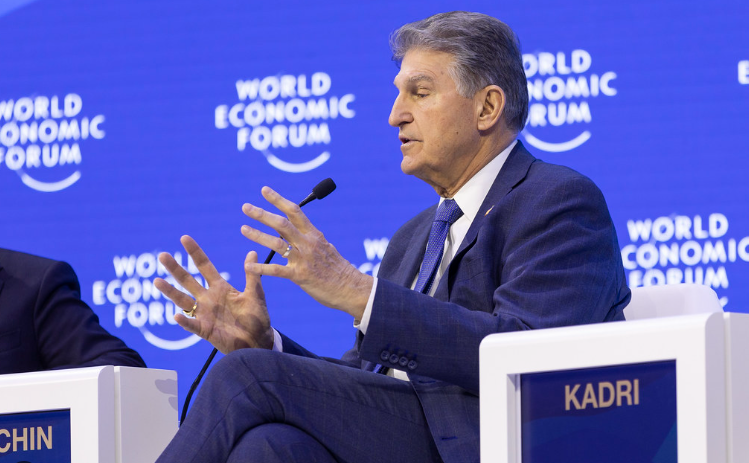
In a surprising move that has significant implications for the Democratic Party, Senator Joe Manchin has announced he will not seek reelection, a decision that could almost certainly lead to the loss of a critical Senate seat in the predominantly Republican state of West Virginia. This development presents a major hurdle for the Democrats as they strive to maintain their slender majority in the Senate.
Manchin’s announcement has not only raised concerns about the Senate seat but has also ignited speculation about his potential pursuit of a third-party presidential bid, a move that could challenge President Joe Biden’s campaign for reelection. At 76, Manchin has previously hinted at presidential aspirations, and his latest statement about creating a movement to unite Americans has further fueled this speculation.
The shockwaves from Manchin’s decision are reverberating through the Democratic leadership, who are already grappling with the challenges of the upcoming 2024 elections. With President Biden aiming for a second term amidst concerns about his age and economic policies, and the Democrats’ narrow hold on the Senate following a loss of the House majority, the party faces a precarious political landscape.
Shortly after Manchin’s announcement, a new political group, “America Back on Track,” based in Boston, filed paperwork to encourage a third-party presidential bid by Manchin and Senator Mitt Romney of Utah. Although Romney has distanced himself from this initiative, the group’s plans to support a No Labels national convention in Texas next year highlight the growing momentum behind alternative political movements.
Democratic operatives and leaders are monitoring these developments with a mix of concern and skepticism. The emergence of independent candidates like Cornel West and Robert Kennedy Jr. has already complicated the political scenario. However, the significant financial backing and strategic planning behind No Labels, a centrist organization, are being taken more seriously.
As Democrats face the reality of defending seats in states heavily won by Trump in 2020, the loss of Manchin’s seat in West Virginia looms large. Their strategy now hinges on winning every other Democratic-held seat nationwide, with few opportunities for gaining new seats in Republican-dominated regions.
Despite these challenges, spokespeople for the Democratic Senate campaign remain optimistic, citing expanding battlegrounds in states like Texas and Florida. They emphasize the party’s efforts to strengthen its position through fundraising and strategic campaigning.
Manchin, who has held his Senate seat since 2012, has been a unique figure in West Virginia politics, able to maintain his position despite the state’s growing Republican leanings. His decision not to run again is seen as conceding the seat to a likely Republican successor, possibly Governor Jim Justice.
The White House has expressed appreciation for Manchin’s service and achievements, with President Biden looking forward to continued collaboration. However, Biden’s campaign has refrained from commenting on the possibility of a Manchin presidential run, a topic that remains a point of intense discussion and speculation within political circles.