
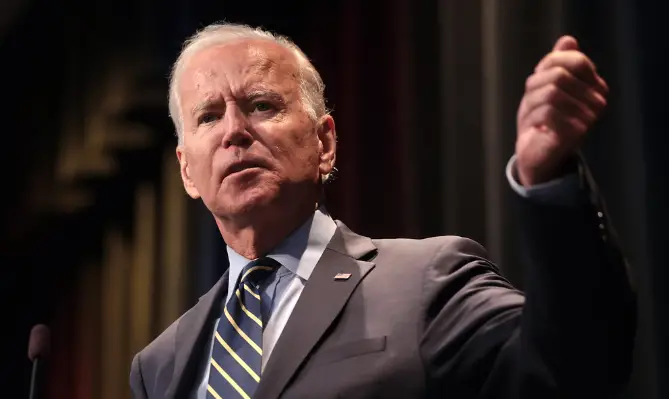
Within the Democratic Party, opinions are split on President Biden’s bid for re-election, with some party members challenging the effectiveness of slogans such as “Bidenomics,” while others in the president’s camp maintain a strategic focus. In a recent discussion, Biden’s campaign communications director, Michael Tyler, expressed a steadfast approach: “By tuning out the noise and implementing our strategy, we’re poised for victory on Election Day,” he assured.
Contrasting this serene outlook, critiques have arisen from within the party’s donor base over the branding of the President’s economic policies. Prominent attorney and donor John Morgan from Orlando voiced dissatisfaction with the term “Bidenomics,” suggesting it falls flat with the layperson. “It’s not a term that resonates; it’s confusing,” he remarked.
Reports from various media, including Axios, indicate a shift away from the term among Democratic leaders, with the label being largely dropped from public discourse and campaign rhetoric.
Yet, despite these challenges, some within the party see the Supreme Court’s Dobbs decision as a potential catalyst for mobilizing voters in Biden’s favor. “The ramifications of Dobbs will resonate across all voting districts,” said one top contributor. Echoing this sentiment, Second Gentleman Doug Emhoff suggested that the twin pillars of democracy and the Dobbs ruling could secure Biden’s re-election.
The Biden campaign’s internal mantra, as portrayed by Intelligencer, champions a steady and patient approach: “Keep calm, have faith in the process, and vote Biden once more.”
Nevertheless, concerns linger among Biden’s staunchest advocates and the broader electorate about the President’s age, with some suggesting that his most engaging moments occur when he employs vigorous language, showcasing his vitality.
Yet, skeptics remain, including a former Democratic governor who questioned the Biden team’s Washington-centric perspective. “The issue is they’re seasoned D.C. insiders, accustomed to legislative success as their metric, potentially out of touch with the everyday American voter,” the governor told Intelligencer.