
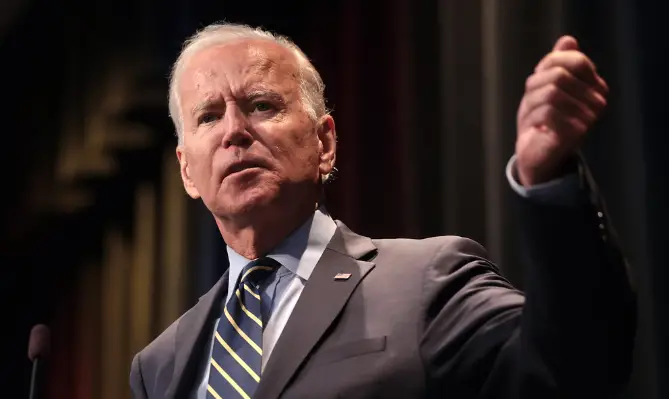
In a strategic political maneuver, President Joe Biden has opted to prioritize emergency border discussions with Mexican President Andrés Manuel López Obrador over ongoing negotiations with Republican senators. This diplomatic shift is seen as a response to the growing influx of migrants at the U.S. border, which is increasingly affecting Biden’s approval ratings as the nation heads toward the 2024 elections.
A U.S. official disclosed to the Washington Post that the administration’s main objective is to engage the Mexican government in direct operations against the cartels’ human trafficking operations. Critics, such as Mark Krikorian, director of the Center for Immigration Studies, argue that Biden’s administration is not fully utilizing existing legal tools to address the situation, instead seeking assistance from Mexico to mitigate the issue.
The president’s move to engage directly with Mexico is seen as complicating matters for the ongoing high-stakes domestic negotiations. Democratic Senate Leader Chuck Schumer (D-NY) had ensured the inclusion of Biden’s border chief, Alejandro Mayorkas, in these discussions due to his extensive knowledge and experience. However, Mayorkas is now redirected to the Mexico talks with López Obrador.
The redirection of efforts to Mexico also calls into question the Democrats’ claim that immediate reforms are critical to national security. They have leveraged potential military aid for Israel and Ukraine as bargaining chips in exchange for Republican support of a special $14 billion fund aimed at managing the migrant surge.
The recent rejection by all 49 Republican senators of the combined aid package underscores the political contention surrounding the issue. Schumer has framed the situation in dire terms, suggesting that international adversaries are observing the U.S. Senate’s actions closely, particularly regarding aid to Ukraine.
Amidst these developments, bilateral talks with Mexico are set to take place on December 27, with domestic negotiations expected to conclude shortly after, by January 8. The White House has hinted at using trade disruptions as a bargaining tool to prompt Mexico to better manage migration levels.
In a recent development, Obrador has indicated a willingness to negotiate, provided the U.S. engages with leftist regimes in Venezuela and Cuba. This readiness to dialogue was expressed in his daily morning press briefing and reported by Reuters on December 22.
The unfolding situation suggests a tacit agreement may already exist between the U.S. and Mexico, with the latter controlling migration surges and directing flows to less conspicuous border crossings. The specifics of the U.S. side of the agreement remain undisclosed, yet recent admissions of Mexican migrants suggest a reciprocal arrangement.
The diplomatic interplay between the U.S. and Mexico reflects broader global trends where migration is used as leverage in international relations, a tactic not unfamiliar to countries such as Turkey. Critics contend that American liberal and progressive circles often overlook the calculated use of migration by countries like Mexico to advance their interests against larger, wealthier nations.