
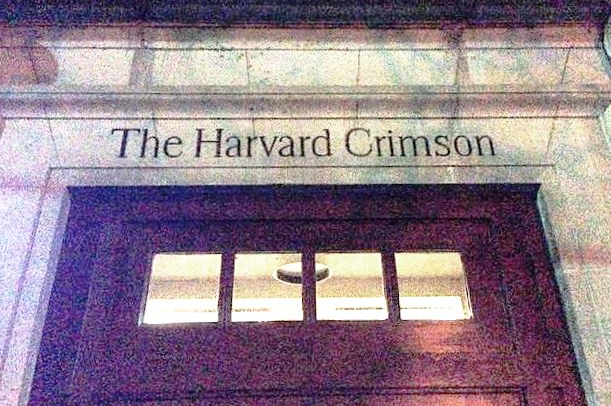
Harvard University’s student publication, The Harvard Crimson, recently expressed its views on the controversy surrounding President Claudine Gay, acknowledging the plagiarism accusations while also defending her position. The newspaper’s editorial board, in an op-ed, admitted that some allegations against Gay could be classified as plagiarism, yet they emphasized that these actions seemingly lacked deliberate intent to plagiarize.
The board stated that such carelessness is not befitting of a Harvard president but maintained that the unintentional nature of these errors does not necessitate her resignation. The editorial represented the majority opinion within the board.
However, the board was not unanimous in this view. Two of its members presented a contrasting opinion, arguing through a dissenting op-ed that President Gay should step down. They criticized her conduct and its impact on Harvard’s reputation.
The editorial board contextualized the plagiarism charges within a broader political narrative. They suggested that the accusations gained traction due to conservative activists using them to undermine the credibility of higher education. This perspective arose particularly after Gay’s testimony before the House Committee on Education and the Workforce, where she addressed Harvard’s strategies to combat antisemitism on campus.
The board addressed the importance of an honest and fair discussion about the accusations, acknowledging that Gay’s most vocal critics might have ulterior motives but asserting that this does not diminish the seriousness of concerns regarding her academic integrity.
The Harvard Corporation, the university’s governing body, found instances of “duplicative language without appropriate attribution” in Gay’s work. In response, Gay has been making corrections to her published journal articles.
The Crimson’s editorial noted that the alleged plagiarism included missing quotation marks and verbatim copying of sentences. The University, responding to these allegations in October, defended Gay’s academic rigor and threatened legal action against allegations it deemed false.
In their dissenting view, two board members highlighted concerns among donors and broader issues surrounding President Gay’s leadership, citing her handling of responses to global events and the constant negative press as reasons for their stance.
Claudine Gay, who began her tenure as Harvard’s 30th president and the first black woman to hold this position, previously defended her scholarship’s integrity and is currently facing scrutiny from the House Education Committee regarding both the plagiarism accusations and issues of antisemitism at Harvard.
This complex situation continues to evolve, with the university community and broader academic circles closely watching the developments.