
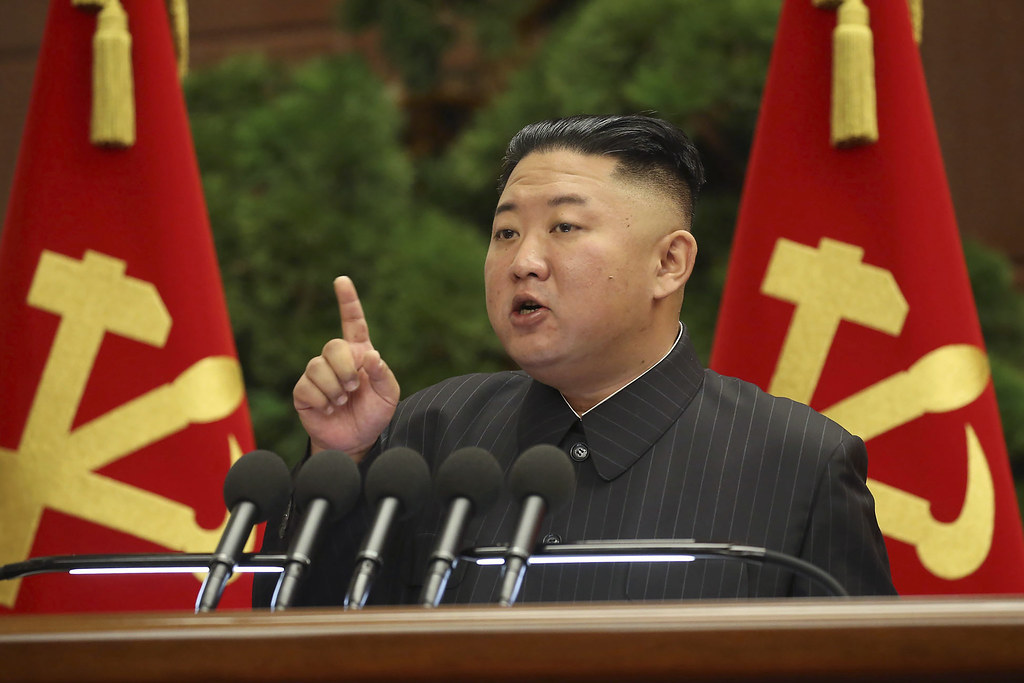
Recent events have intensified the already complex situation on the Korean Peninsula. North Korea, known for its isolated stance, has significantly increased regional tensions by launching a substantial number of artillery shells near its disputed sea border with South Korea. This aggressive act occurred on a Saturday, following a similar incident the previous day that raised alarms in South Korea. Intelligence reports from South Korea indicate that approximately 200 shells were fired into the sea on Friday, with a further 60 shells launched the following day.
In a robust display of military might, the South Korean Defense Ministry reportedly responded with about 400 artillery rounds, countering North Korea’s aggressive behavior. This development has led to heightened collaboration between military officials from South Korea and the United States, as both nations are keeping a vigilant eye on the unfolding situation.
Col. Lee Sung-jun, a spokesperson for the South Korean Joint Chiefs of Staff, expressed grave concerns during a press briefing on Friday. He sternly warned North Korea, stating that the responsibility for these escalating crises falls squarely on their shoulders, and he demanded an immediate cessation of their actions. Col. Lee also emphasized that South Korea’s military is actively monitoring and tracking North Korean activities and is prepared to respond as necessary.
The western sea boundary, which separates North and South Korea, has been a hotbed of conflict since the end of the Korean War. This area has witnessed several clashes, including notable naval confrontations in 1999, 2002, and 2009. The tension escalated further in 2010 when a South Korean warship was allegedly torpedoed by North Korea, resulting in the loss of 46 crew members. Additionally, in the same year, North Korea’s attack on Yeonpyeong Island led to the tragic death of four South Koreans.
The latest artillery exchange underscores the ongoing security challenges on the Korean Peninsula, contributing to a long history of unrest and conflict in the region.