
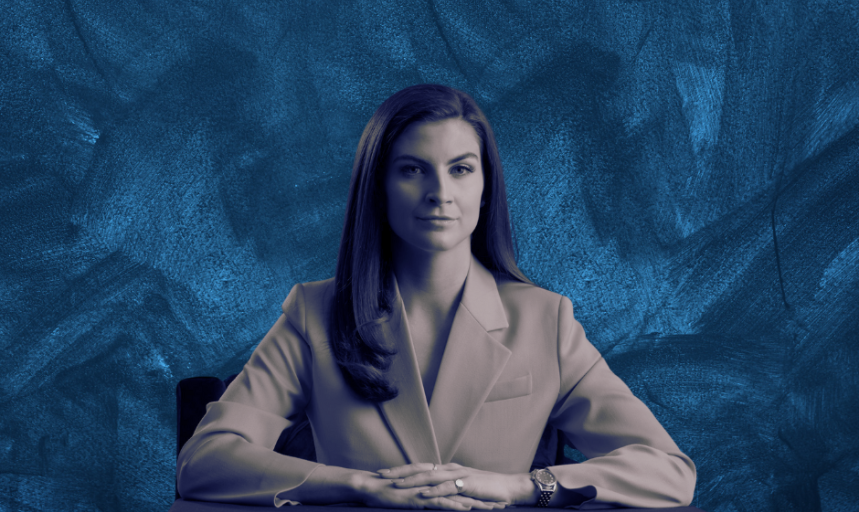
CNN anchor Kaitlan Collins has come forward to defend the network’s decision to host a town hall featuring former President Donald Trump, amidst widespread backlash from liberal viewers and internal discontent among network staff. The town hall, conducted in May 2023, marked Trump’s return to CNN after a prolonged boycott and quickly became a focal point of controversy.
In an interview with Elle magazine, Collins emphasized the importance of not ignoring Trump, considering his prominent position as the likely Republican presidential nominee. “Regardless of personal opinions, we cannot overlook a key political figure like Trump,” Collins explained. She acknowledged the ongoing debate within the media about how to appropriately cover the former president.
During the town hall, Collins had a notably combative exchange with Trump on topics ranging from the events of January 6 to his repeated claims about the 2020 presidential election being stolen. Despite the tense nature of the discussion, Collins maintained that the engagement was necessary given Trump’s influential role in current politics.
The decision to air the town hall was met with fierce criticism within CNN, leading to internal disputes and criticisms of then-CNN CEO Chris Licht. Veteran journalist Christiane Amanpour notably confronted Licht over the decision, expressing her disapproval in a speech at Columbia Journalism School. The town hall event was seen as a significant factor in Licht’s subsequent departure from the network.
In addition to CNN, other networks like NBC News and Univision faced similar backlash for “platforming” Trump in interviews and discussions. This reflects a broader media dilemma on the coverage of controversial political figures, particularly those with significant followings and impact on public discourse.
Collins’ stance on the issue highlights the challenges faced by news organizations in balancing journalistic responsibility with audience expectations and internal dynamics. Her defense of the town hall underscores the complexities of political reporting in a polarized environment.