
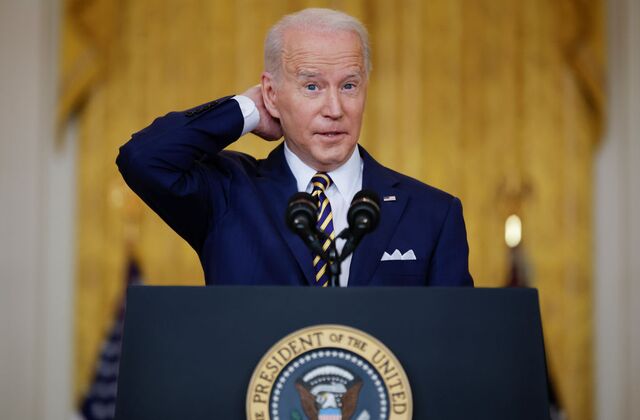
President Joe Biden has chosen not to exercise executive privilege or make any redactions to Special Counsel Robert Hur’s recently concluded report, following an investigation into Biden’s handling of classified documents. This report, now ready for public release, was delivered to Attorney General Merrick Garland earlier in the week.
Garland informed Congress that the White House retained the right to review the report for executive privilege, a standard procedure that offers the President a chance to withhold certain information based on the preservation of the confidentiality of executive branch decision-making. However, the White House concluded its review and decided against asserting privilege over any part of the report, as announced by White House Counsel’s Office spokesperson Ian Sams. This decision underscores Biden’s commitment to transparency and cooperation with ongoing investigations.
The investigation by Hur, which began last year, looked into the discovery of classified records at locations associated with Biden, including the Penn Biden Center in Washington, D.C., and Biden’s home in Wilmington, Delaware. Despite the findings, reports indicate that charges against the President are unlikely.
This approach by Biden stands in contrast to the Department of Justice’s handling of similar investigations, including the appointment of Jack Smith as special counsel to probe former President Donald Trump’s retention of classified documents at his Mar-a-Lago residence. The handling of these cases has sparked discussions about potential double standards in justice and political accountability.
Biden’s decision not to redact any part of Hur’s report signals a notable effort to maintain openness in the face of scrutiny, setting a precedent for how leaders might handle similar situations in the future. As the report moves to Congress, the broader implications for political transparency and the handling of classified information remain key points of discussion among lawmakers, legal experts, and the public.