
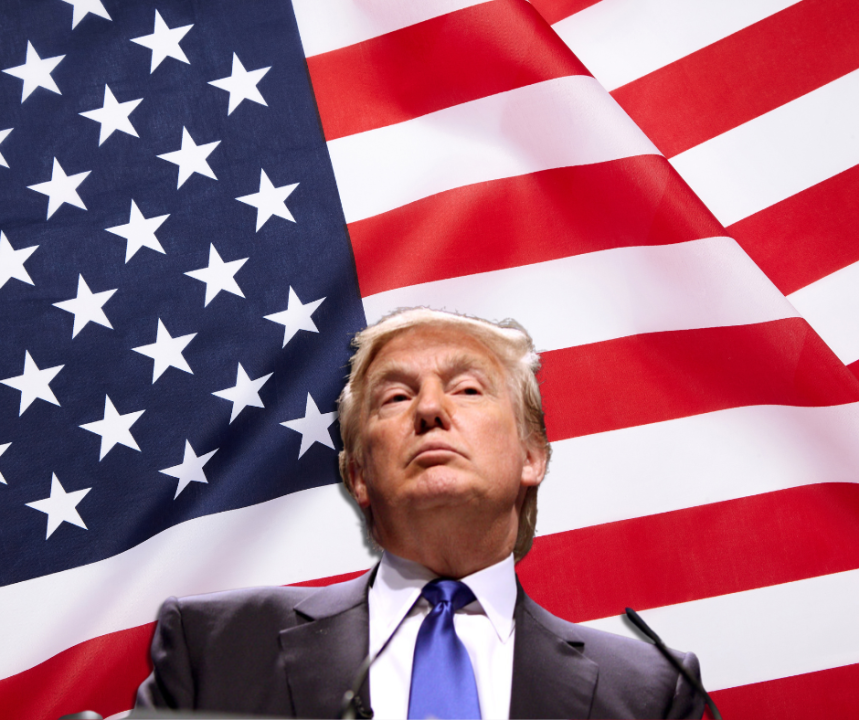
During a rally in Conway, South Carolina, former President Donald Trump made a bold declaration that should he return to the presidency, he would not hesitate to “encourage” Russia to target any NATO member failing to meet its defense spending obligations. Trump recounted a conversation with a leader from a prominent country, questioning the United States’ commitment to their defense should they fall short in their financial contributions to NATO and face threats from Moscow.
Trump’s stance, suggesting a conditional commitment to NATO’s mutual defense principle based on financial contributions, has drawn sharp criticism from the White House. A spokesperson condemned Trump’s remarks as “appalling and unhinged,” stressing the dangers such a position poses to American national security, global stability, and domestic economic interests.
This rhetoric aligns with Trump’s historical skepticism towards NATO, which he has criticized as an unfair financial burden on the U.S. He has even suggested the possibility of withdrawing from the alliance during his 2016 campaign. Furthermore, Trump has voiced concerns over the financial aid the U.S. has provided to Ukraine amidst its conflict with Russia, challenging the strategic value and financial rationale behind such support.
Critics on social media and political figures, including New York Democratic Representative Daniel Goldman and Stanford University Professor Michael McFaul, have expressed alarm at Trump’s remarks. They argue that his willingness to abandon NATO and support Russian aggression undermines democracy and fails to grasp the foundational principles of NATO’s collective defense strategy.
In addition to his controversial statements about NATO, Trump proposed a radical shift in U.S. foreign aid policy, advocating for loans instead of grants to foreign nations, with terms that would require repayment should a beneficiary country either betray U.S. interests or achieve substantial wealth in the future.
Trump’s comments come amidst a backdrop of ongoing discussions about NATO members’ financial commitments to the alliance. While NATO reported an increase in members meeting their financial obligations since 2014, Trump claims credit for this improvement, asserting that his pressure on allies has resulted in significant financial contributions to NATO.