
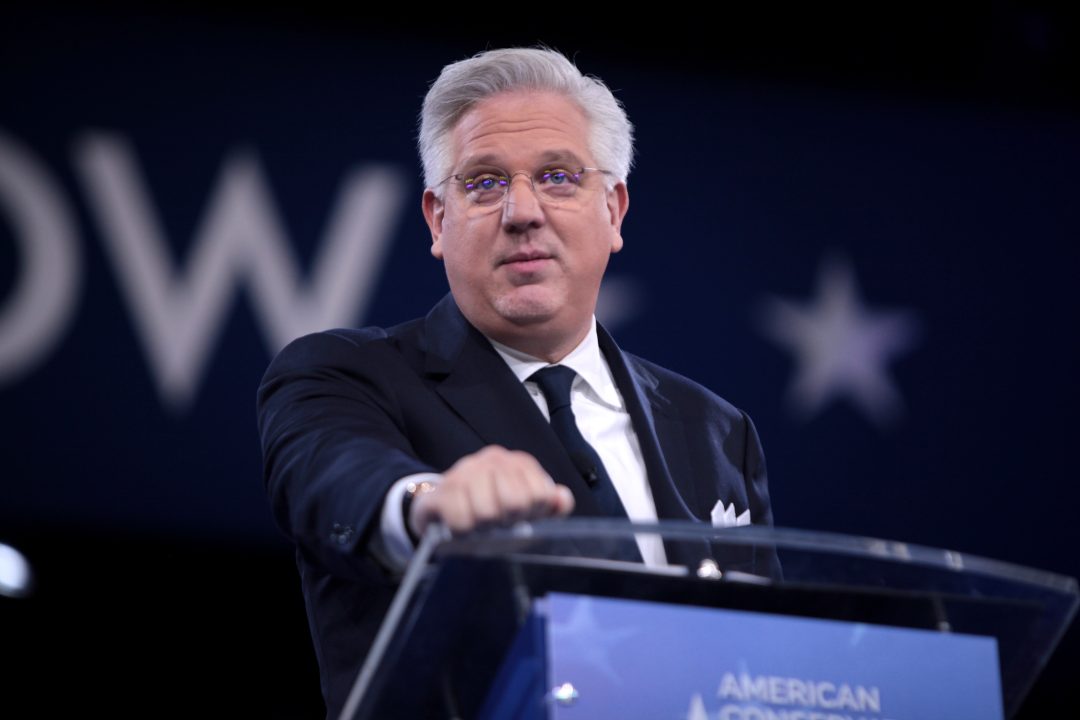
Glenn Beck has recently raised concerns about what he perceives as a new wave of censorship efforts, this time focusing on what is being termed as “new climate denial.” Beck’s commentary sheds light on the evolving landscape of public discourse, particularly around the contentious issue of climate change. He argues that these censorship efforts are aimed at stifling debate and silencing dissenting opinions on climate policies and the science surrounding global warming.
This discussion comes at a time when climate change remains a polarizing topic, with various stakeholders advocating for different approaches to address environmental challenges. Beck’s alarm over censorship touches on broader themes of free speech, scientific inquiry, and the role of public debate in shaping policy decisions. He suggests that labeling opposing viewpoints as “climate denial” serves to marginalize those voices and restrict the exchange of ideas.
Beck’s commentary is indicative of the tensions that exist between advocating for urgent action on climate change and upholding principles of open dialogue and debate. The term “new climate denial” as highlighted by Beck, points to a shift in how dissenting perspectives on climate action are perceived and managed within public and private spheres.
As the conversation around climate change continues to evolve, Beck’s concerns about censorship contribute to the ongoing discussion about how societies navigate complex and divisive issues. The balance between fostering a constructive dialogue on climate action and ensuring a diversity of viewpoints is essential in developing effective and inclusive environmental policies.
This discourse around “new climate denial” and censorship underscores the need for a nuanced approach to discussing climate change, one that recognizes the importance of scientific evidence while also respecting the principles of free speech and open debate. Beck’s highlighting of this issue invites further reflection on how to engage in meaningful conversations about our planet’s future without sidelining critical voices.