
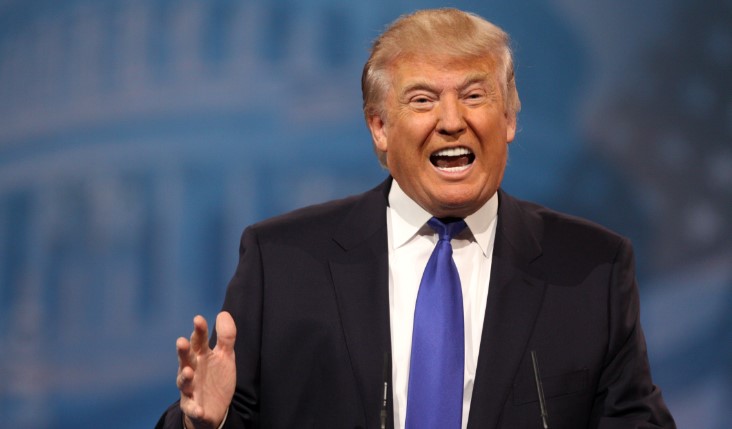
In a recent development within the civil fraud case involving former President Donald Trump, a judge has denied a request to delay the imposition of a $355 million penalty. This decision underscores the legal challenges Trump faces and marks a significant moment in the ongoing proceedings against him.
The case, which scrutinizes Trump’s business practices, has attracted widespread attention, highlighting the complexities of legal accountability for high-profile individuals. The judge’s refusal to grant a delay in the penalty signifies the court’s intention to proceed without further postponements, pushing the case towards its next phases.
This ruling has implications not only for Trump but also for the broader discourse on business ethics and the legal responsibilities of corporate leaders. The substantial penalty underscores the severity with which the court views the allegations of fraud in this case.
As the legal process unfolds, this development adds another layer to the narrative surrounding Trump’s post-presidency period, characterized by a series of legal battles and public scrutiny. The denial of the delay request is a critical juncture in the case, setting the stage for further legal arguments and decisions.
The outcome of this case, and particularly the enforcement of the $355 million penalty, will likely have lasting effects on Trump’s financial and public standing. It also serves as a precedent for how similar cases might be handled in the future, emphasizing the legal system’s role in addressing allegations of fraud and misconduct among influential figures.