
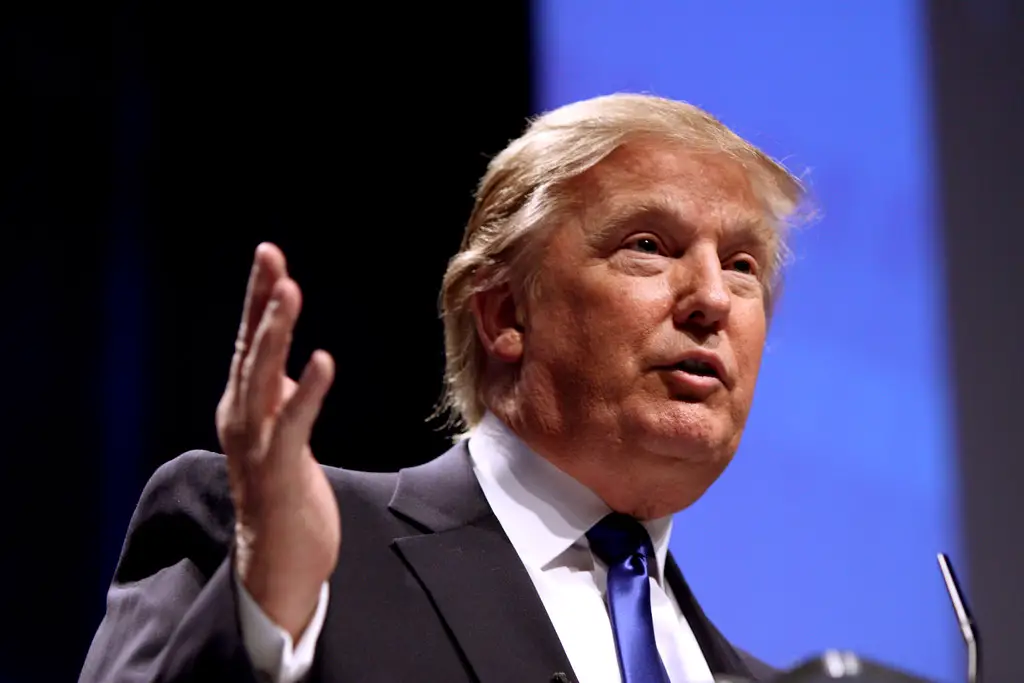
The Supreme Court has agreed to examine whether former President Donald Trump is protected by immunity from prosecution in a case concerning federal election interference, led by the Special Counsel. This high-stakes legal and political matter is set for oral arguments in late April, with a decision anticipated by the end of June. This development puts Trump’s criminal trial on hold until a resolution is reached.
The case, which has garnered significant attention, marks the second time this term the Supreme Court will hear matters involving Trump, who is a leading figure in the Republican presidential nomination race. The core of the appeal is Trump’s claim of presidential immunity, which he argues should shield him from prosecution. This claim follows a D.C. appeals court ruling that determined Trump does not possess immunity from prosecution in Special Counsel Jack Smith’s 2020 election interference case.
Special Counsel Smith, in response to Trump’s request to delay his trial, urged the Supreme Court to proceed with the case, emphasizing its “unique national importance.” Smith’s case against Trump includes charges of conspiracy to defraud the United States and obstruction of an official proceeding, among others, related to the January 6 Capitol riot and alleged interference in the 2020 election results.
Trump has pleaded not guilty to all charges. The unfolding legal battle highlights significant questions about the extent of presidential immunity and its implications for Trump’s future political and legal challenges.