
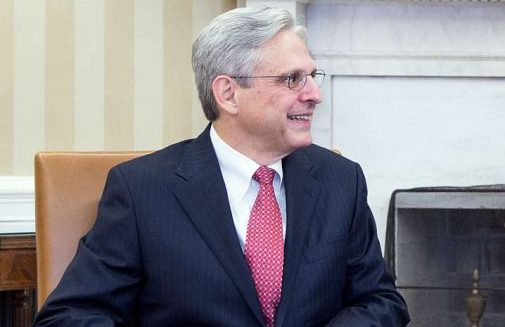
On the 59th anniversary of the historic Bloody Sunday civil rights march in Selma, Alabama, Attorney General Merrick Garland, alongside Vice President Kamala Harris, made a significant pledge to combat voter ID laws and other election integrity measures he described as discriminatory and unnecessary. The event, held in Selma, served as a poignant reminder of the long and tumultuous struggle for voting rights in the United States, particularly for African Americans and other minority voters.
During a church service at Selma’s Tabernacle Baptist Church, a site of seminal importance in the voting rights movement, Garland delivered a powerful message. He traced the evolution of voting rights from the abolition of slavery to the present day, highlighting the obstacles that have continually impeded the voting rights of minority communities. Garland criticized recent legislative actions, such as voter ID requirements and redistricting efforts, which he argued have unjustly restricted millions of eligible voters’ ability to participate in the electoral process and choose their representatives.
Garland emphasized the Department of Justice’s commitment to safeguarding voting rights, noting the doubling of lawyers in the Voting Section of the Civil Rights Division. He outlined the DOJ’s efforts to challenge state and local jurisdictions that implement what he views as discriminatory and burdensome restrictions on voting. These include measures related to mail-in voting, the use of drop boxes, and voter ID requirements, despite widespread public support for voter ID laws.
The Attorney General also addressed the issue of redistricting plans that dilute the voting power of Black voters and other minority groups. He underscored the DOJ’s determination to block the adoption of such plans, signaling the federal government’s proactive stance in ensuring that every American’s vote counts.
Garland’s remarks underscore the ongoing debate over voting rights and election integrity in the United States. As the country grapples with historic levels of illegal immigration and its implications for the electoral system, the Attorney General’s pledge in Selma represents a critical juncture in the fight to preserve the foundational principles of American democracy.