
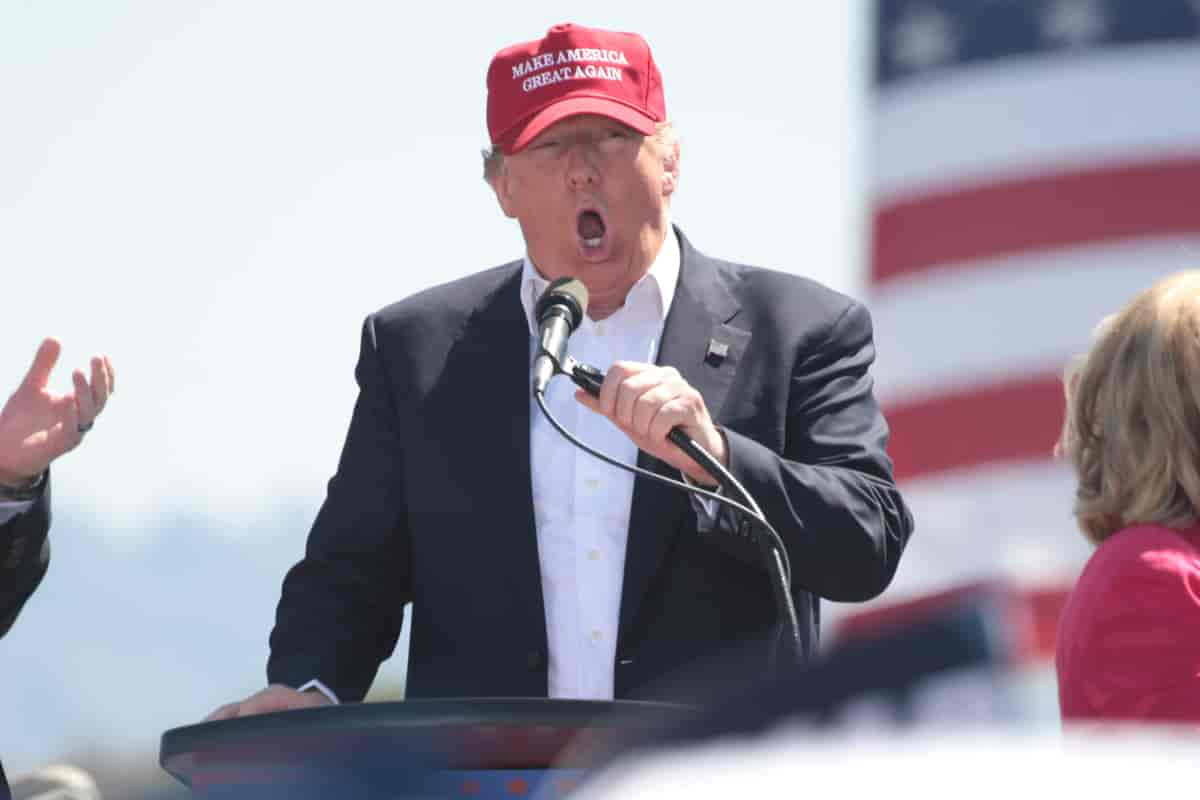
In a significant legal development, the Supreme Court unanimously ruled that former President Donald Trump is eligible to appear on Colorado’s ballots, overturning the state’s highest court’s previous decision. This ruling came as a disappointment to Colorado Secretary of State Jena Griswold, who had advocated for Trump’s removal from the ballot, citing concerns over his eligibility based on allegations of insurrection.
Griswold, who had hoped the Supreme Court would support Colorado’s stance, expressed her disillusionment with the decision. She had argued that allowing Trump on the ballot could lead to votes being cast for an ineligible candidate, potentially undermining the integrity of the electoral process. Despite the setback, Griswold remains hopeful that Congress might still take action against Trump based on charges related to insurrection.
The controversy centers around Section 3 of the 14th Amendment, which the Colorado Supreme Court interpreted as disqualifying Trump from holding elected office due to his alleged involvement in the events of January 6, 2021. However, the Supreme Court’s ruling clarified that the responsibility for enforcing this provision lies with Congress, not individual states.
In the aftermath of the ruling, Griswold emphasized the importance of congressional action to address the issue of insurrection and its implications for electoral eligibility. She pointed to ongoing efforts by some members of Congress to explore legislative measures that could potentially disqualify Trump from future ballots.
Despite the legal and political challenges, Griswold’s message to the public is one of resilience and civic duty. She stressed that, ultimately, the responsibility to safeguard democracy may rest with the voters themselves in the upcoming November elections. This sentiment underscores the ongoing debate over Trump’s eligibility and the broader concerns about the health of American democracy.
The Supreme Court’s decision also has implications beyond Colorado, ensuring Trump’s presence on ballots in Maine and potentially other states facing similar legal questions. As the political landscape continues to evolve, the role of the judiciary, Congress, and the electorate in defining the boundaries of democratic participation remains a critical issue for the nation.