
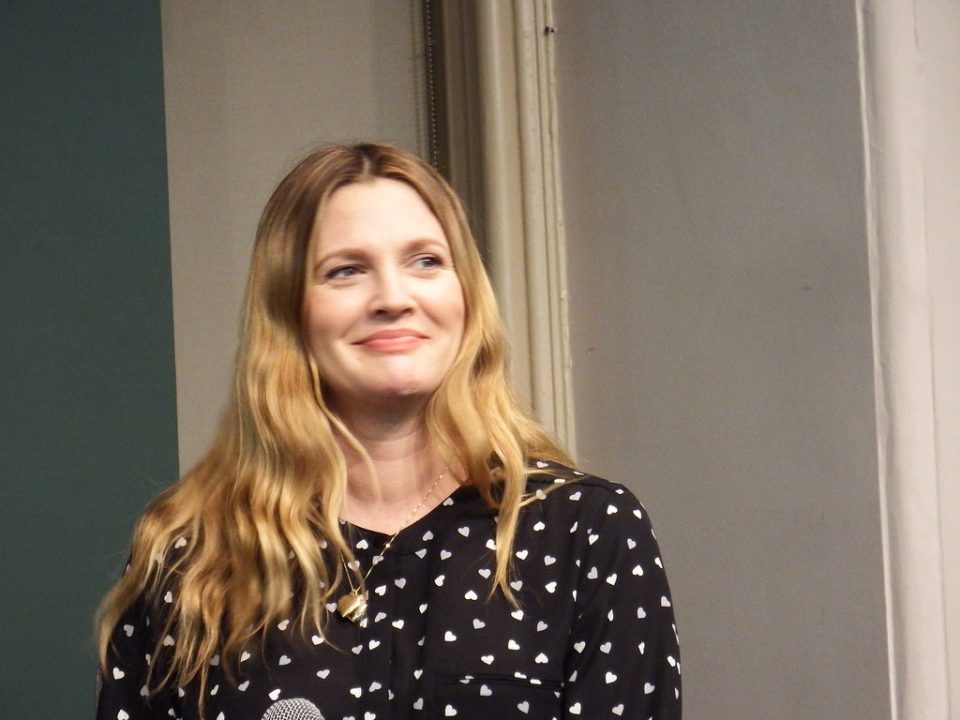
During an episode of Drew Barrymore’s daytime talk show, Barrymore made a poignant comment to Vice President Kamala Harris, suggesting that the nation needed her to be the “Mamala of the country.” This suggestion came during a conversation where Barrymore expressed a sentiment that the nation, and perhaps the world, needed a significant collective hug in these trying times.
The exchange quickly garnered attention and was met with mixed reactions, particularly on social media where some found the moment to be cringe-worthy. Critics argued that such personal affections towards political figures were excessive, interpreting the term “Mamala,” a play on Harris’s personal nickname used by her stepchildren, as an awkward imposition of familial roles onto national leadership figures.
Barrymore’s comment was part of a broader discussion where she praised Harris for her leadership qualities, commending her laughter and her approach to handling the pressures of being the first female Vice President of the United States. Harris, on her part, spoke about the importance of maintaining one’s power and being intentional with it.
However, the conversation did not escape scrutiny. Political commentators and social media personalities voiced their opinions robustly. Brigitte Gabriel, chair of ACT for America, expressed on X (formerly Twitter) that nobody desired Harris to be “Momala” for the country. Fox News host Will Cain and others highlighted a growing trend where media personalities attach parental descriptors to political figures, which they critiqued as a misguided search for guidance more akin to parental than political leadership.
The moment highlighted the delicate balance media figures must navigate when engaging with politicians, and how easily such interactions can become fodder for broader political and cultural discussions. The incident reflects ongoing debates about the role of media in shaping public perceptions of political figures, where personal admiration can intersect controversially with professional journalistic inquiry.