
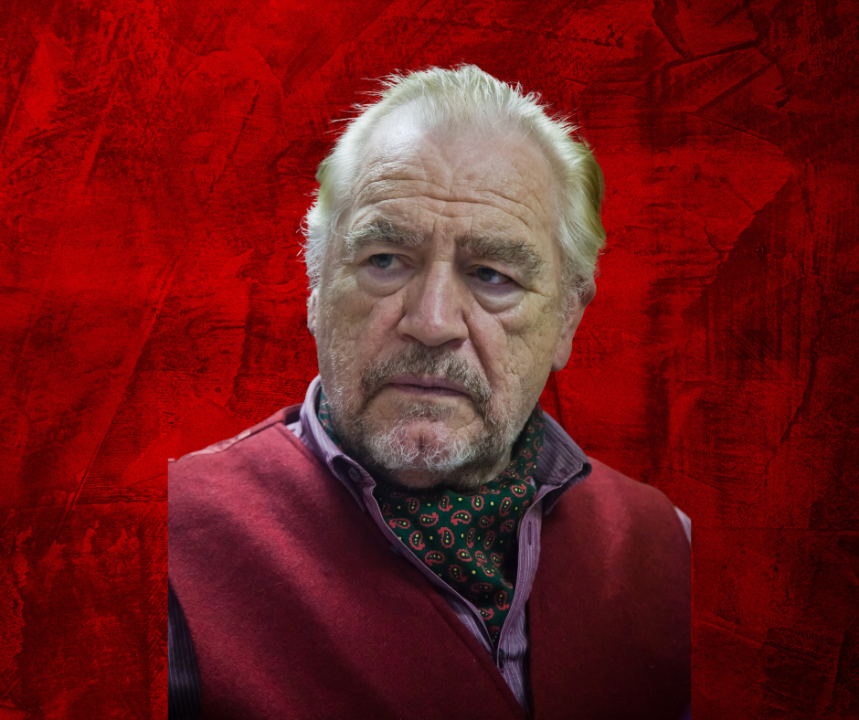
Brian Cox, the seasoned actor known for his role in the series “Succession,” expressed stark criticisms of religion in a recent episode of “The Starting Line” podcast. The Scottish actor, an avowed atheist and socialist, shared his candid views on how religion has negatively impacted humanity by perpetuating ignorance and fostering destructive belief systems.
During the podcast, Cox articulated his belief that religion has been a detrimental force, leading humans into repetitive cycles of conflict and suffering, as evidenced by historical events like the Holocaust and ongoing conflicts in regions like Ukraine and Gaza. He asserted that the issues in the Middle East, particularly involving Muslims and Jews, are exacerbated by flawed religious ideologies that are unlikely to be resolved due to their deep-rooted nature.
Cox lamented the human cost of these conflicts, criticizing people’s inability to perceive the apparent dangers and pitfalls of their belief systems. He emphasized that religion often prevents individuals from introspecting and understanding their role in societal issues, instead directing their gaze outward.
Expounding on his views, Cox described the Bible as one of the “worst books ever,” critiquing it as a piece of propaganda that has contributed to a patriarchal society. He highlighted the biblical story of Adam and Eve, pointing out how such narratives promote gender inequality by depicting women as derivatives of men.
Moreover, Cox discussed his perspective on the concept of God as a human construct used to exert control and maintain patriarchal dominance, sidelining matriarchal values. He contrasted religious worship with his reverence for theater, which he regards as the “true church of humanity,” where genuine human issues and “false gods” are confronted.
Throughout the interview, Cox shared how acting has provided him with profound insights into life’s complexities, offering more substantial answers than he believes religion ever could. His critical views on religion frame a conversation about the influence of religious narratives on society and the need for a more self-reflective approach to solving human problems.