
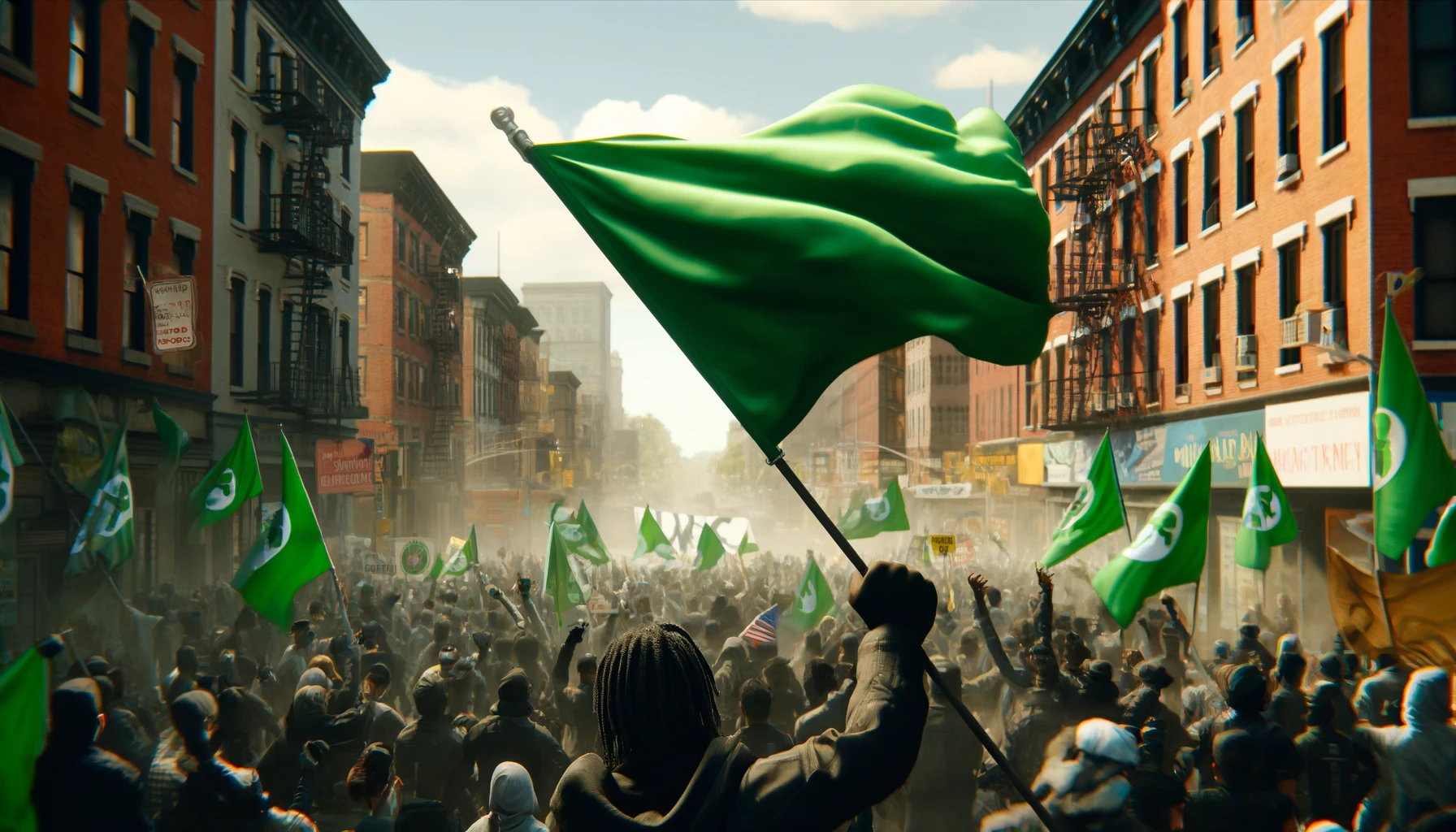
The New York Police Department (NYPD) is facing criticism for its response to a recent anti-Israel demonstration in the city. The protest, which was organized to express opposition to Israeli policies, escalated into a heated confrontation between demonstrators and police officers.
According to reports, tensions escalated when NYPD officers intervened in the protest, which some participants and onlookers describe as an excessive use of force that exacerbated the situation. Critics argue that the police response was disproportionate, citing instances of physical altercations and the use of crowd control measures that they believe aggravated the crowd rather than maintaining order.
The incident has sparked a broader discussion about the NYPD’s approach to managing protests, particularly those involving sensitive political subjects. Civil rights advocates are calling for a review of police tactics at demonstrations to ensure that responses are measured and do not infringe on the rights of individuals to peacefully assemble and express their views.
The NYPD has stated that their actions were in response to specific threats to public safety, including alleged attempts by some protesters to disrupt public order. The department is reviewing the incident, and officials have promised to assess their crowd control strategies and engagement during protests.
This clash has added to ongoing debates about police practices in New York City, particularly in the context of political protests and the balance between enforcing the law and respecting civil liberties. The fallout from the event is likely to influence future police protocols and training for handling demonstrations in the city.