
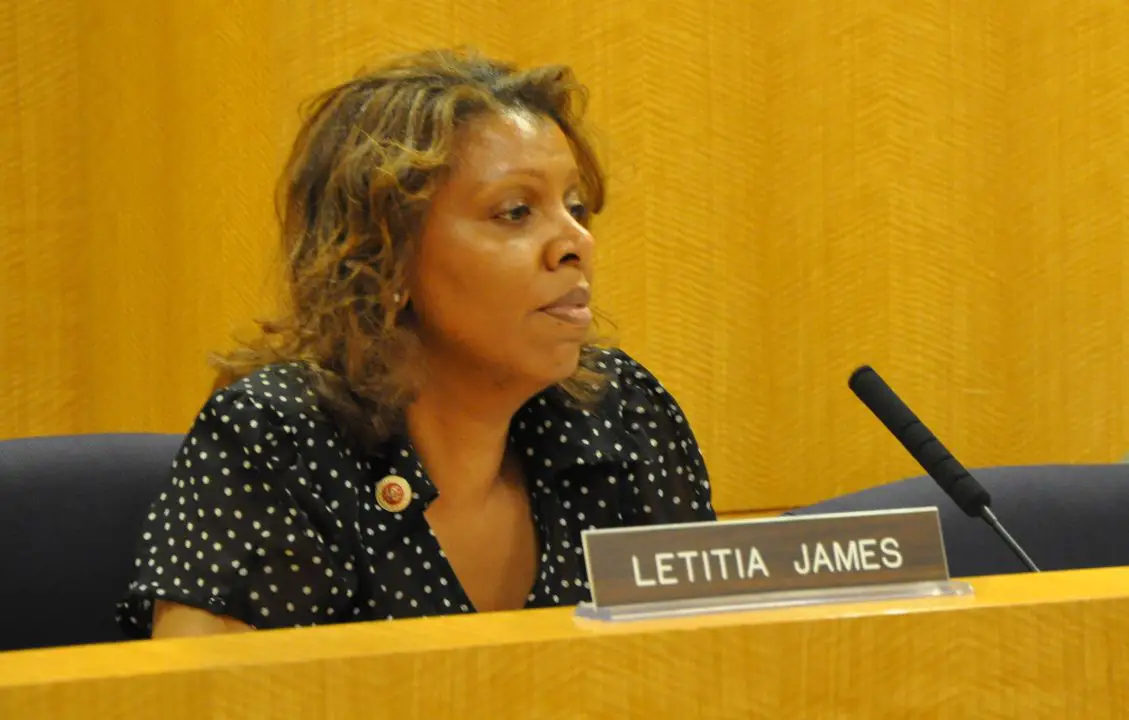
A federal judge has issued a ruling that blocks New York Attorney General Letitia James from pursuing legal action against pregnancy centers in the state over their promotion of the abortion reversal pill. The decision comes amid a heated debate over the legality and ethics of the controversial treatment, which is intended to reverse the effects of a medication-induced abortion.
The ruling, delivered by U.S. District Judge Andrew Carter, temporarily halts any enforcement action by the New York Attorney General’s office against the pregnancy centers. These centers had come under scrutiny from AG James, who argued that their promotion of the abortion reversal pill constitutes deceptive practices and endangers women’s health.
In his ruling, Judge Carter stated that the Attorney General’s actions could infringe on the free speech rights of the pregnancy centers, which are primarily faith-based organizations. The judge emphasized that, while the state has an interest in regulating healthcare practices, it must also respect the rights of these centers to provide information that aligns with their beliefs.
The abortion reversal pill, which involves administering high doses of progesterone after the first dose of a medication abortion, has been the subject of significant controversy. Proponents argue that it offers women a last-minute option to continue their pregnancy if they change their mind after starting a medication abortion. Critics, however, claim that the treatment is not backed by sufficient scientific evidence and poses health risks to the women who undergo it.
Attorney General James had sought to curtail the promotion of the abortion reversal pill by these centers, citing concerns about the safety and efficacy of the procedure. Her office argued that the centers were misleading vulnerable women by offering an unproven treatment. However, the judge’s ruling means that, for now, the centers can continue to advertise and provide the abortion reversal pill without fear of state action.
The decision has drawn mixed reactions. Supporters of the pregnancy centers hailed the ruling as a victory for free speech and religious freedom. “We are grateful that the court has recognized our right to share information that could save lives,” said a representative for one of the pregnancy centers involved in the case. “Women deserve to have all the options available to them.”
On the other hand, critics of the ruling expressed concern that it could allow misleading medical practices to continue unchecked. “This ruling undermines the protection of women’s health and allows these centers to promote a treatment that is not scientifically proven,” a spokesperson for a pro-choice organization said. “We believe this is a dangerous precedent.”
The legal battle is far from over, as Attorney General James is expected to appeal the ruling. The case highlights the ongoing national debate over abortion rights, healthcare freedom, and the role of government in regulating controversial medical practices.
For now, the pregnancy centers in New York can continue their operations as before, but the broader implications of this legal battle are likely to resonate far beyond the state’s borders.