
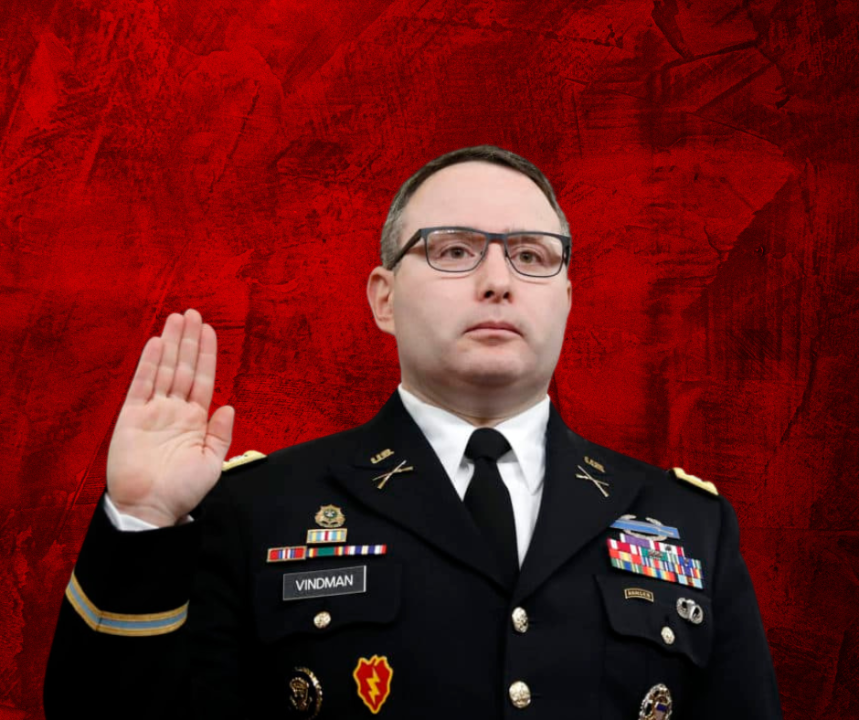
Retired Lt. Col. Alexander Vindman has suggested that Elon Musk might have reason to be concerned following the recent arrest of Telegram CEO Pavel Durov, citing an increasing global appetite for holding powerful tech figures accountable. Vindman, a prominent figure in national security discussions, pointed to Durov’s detention as a potential sign of a broader trend where governments and international bodies are stepping up scrutiny and enforcement actions against influential tech leaders.
Durov’s arrest has raised eyebrows across the tech industry, particularly given Telegram’s reputation for prioritizing privacy and free speech. Vindman, known for his outspoken views on governance and accountability, argued that this development could signal a shift in how the world’s most prominent tech entrepreneurs, including Musk, might be treated if they are perceived as operating beyond the reach of traditional regulatory frameworks.
“There’s a growing impatience with tech moguls who wield significant power without corresponding oversight,” Vindman remarked. “What happened to Durov could be a harbinger of what might come for others who are seen as flouting the rules.”
Vindman’s comments specifically highlighted Musk, who has often found himself at odds with regulatory authorities and has been a controversial figure due to his leadership of several high-profile companies, including SpaceX, Tesla, and X (formerly Twitter). The tech billionaire’s influence and sometimes unorthodox methods have drawn both admiration and criticism, making him a focal point in discussions about corporate accountability.
While Vindman did not suggest that Musk is facing immediate legal jeopardy, his remarks underscore the potential risks for tech leaders who are perceived as acting with impunity. The arrest of Durov, a figure known for resisting governmental pressures, might indicate a changing landscape where even the most prominent tech executives could be vulnerable to legal action or other forms of accountability.
Musk has not publicly responded to Vindman’s comments, and it remains unclear if he views the situation as a cause for concern. However, Vindman’s warning serves as a reminder of the growing tensions between the tech industry and regulatory bodies worldwide, as governments seek to assert greater control over platforms that have a global impact.
As the tech industry continues to evolve, the balance between innovation and regulation is likely to remain a contentious issue. Vindman’s remarks suggest that the actions taken against Durov could be the beginning of a broader push to hold tech leaders more accountable for their influence and decisions, with implications that could reach the highest echelons of the industry.