
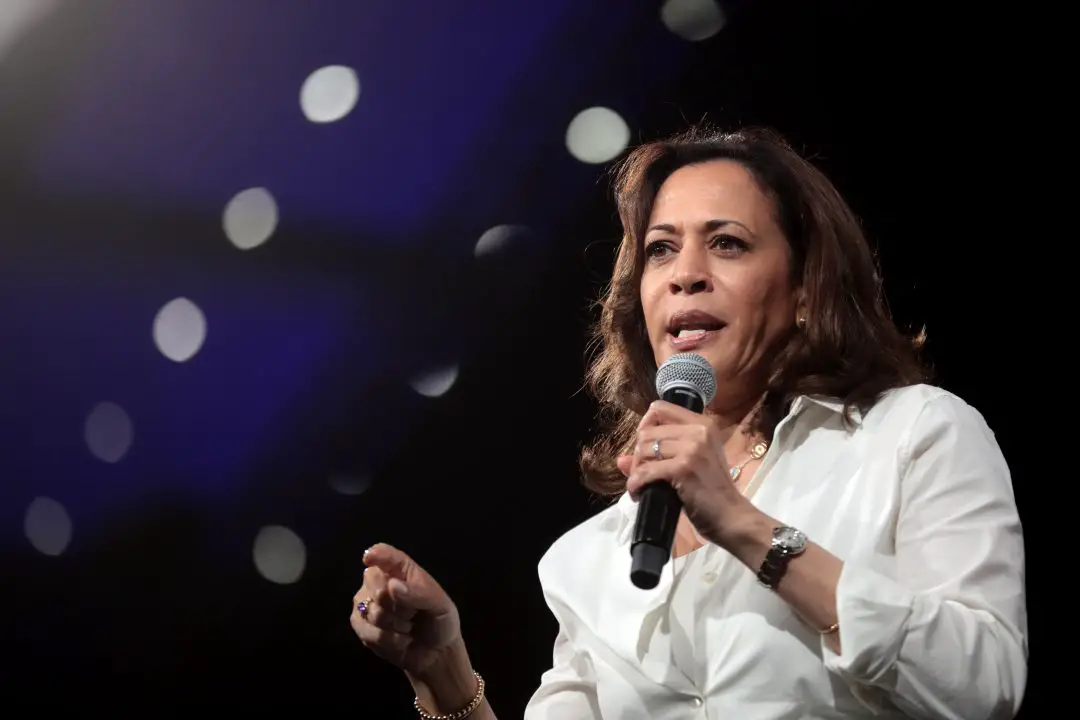
Vice President Kamala Harris is facing criticism ahead of her planned visit to the U.S.-Mexico border in Arizona, with some opponents dismissing the trip as a “political stunt.” The visit comes at a time when immigration remains a top issue for many voters, particularly as the 2024 election looms.
Harris, who has been tasked by the Biden administration with addressing root causes of migration, is expected to use the visit to highlight the administration’s efforts to manage border security and immigration reform. However, critics argue that her upcoming trip is more about optics than action. “This is nothing more than a photo op,” said one Republican lawmaker, adding that the administration’s handling of the border crisis has been inadequate and that Harris’ visit will do little to change the reality on the ground.
The vice president’s detractors contend that her past reluctance to visit the southern border has only amplified the perception that the administration has not prioritized the issue. Her previous focus on addressing migration through diplomatic efforts with Central American nations has been met with skepticism by Republicans, who argue that more direct action is needed to curb illegal crossings and secure the border.
Supporters of Harris, however, have defended the visit, stating that it is part of her broader efforts to tackle the complex challenges of immigration. They maintain that the trip will give her the opportunity to assess the situation firsthand and speak with officials on the ground about the resources and policies needed to improve border management.
As immigration continues to dominate political discourse, Harris’ border visit is expected to draw significant media attention and further debate. Whether the trip will sway public opinion or quell the criticism remains to be seen, but it underscores the pivotal role that immigration policy will play in the upcoming election. With Arizona being a key battleground state, the political implications of her visit will likely reverberate far beyond the border itself.