
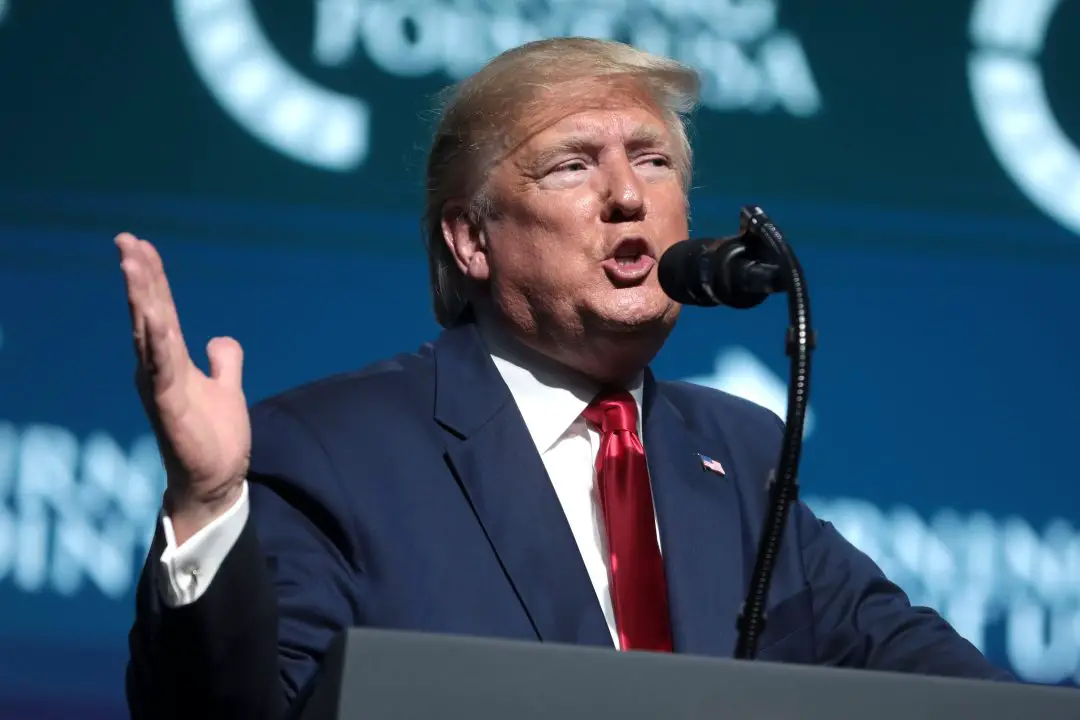
Following his re-election, Donald Trump has launched “Project 2025,” a strategic plan detailing his administration’s policy agenda for the coming term. The agenda, a comprehensive framework, outlines sweeping changes across several major sectors, focusing on restructuring government operations, reshaping immigration policies, and prioritizing economic reforms aimed at enhancing American business and job growth.
Project 2025 reportedly emphasizes a commitment to strengthening U.S. borders, with plans to implement more rigorous immigration protocols and bolster national security efforts. Additionally, the agenda includes extensive economic measures, including tax cuts aimed at benefiting small businesses and incentivizing job creation domestically. Trump’s team suggests these policies aim to stimulate growth while addressing what they describe as previous “overreach” by federal agencies in economic and business regulations.
The plan also points to a streamlined approach within government operations, proposing significant reductions in administrative bureaucracy. This initiative would see a reorganization of federal agencies to improve efficiency, according to Trump’s campaign, which claims that such changes are necessary to deliver on his promise of a “leaner and more effective” government.
Key areas in Project 2025, such as health care reform and education policy, reflect Trump’s goals to reshape federal involvement, shifting more decision-making power to states and reducing federal oversight. Supporters of the plan assert that these changes will restore “freedom and independence” in various public sectors.
Project 2025 appears to encapsulate Trump’s vision for America’s future, with a strong focus on internal reforms, economic resilience, and a streamlined government, aligning with his administration’s broader commitment to an “America First” policy agenda.