
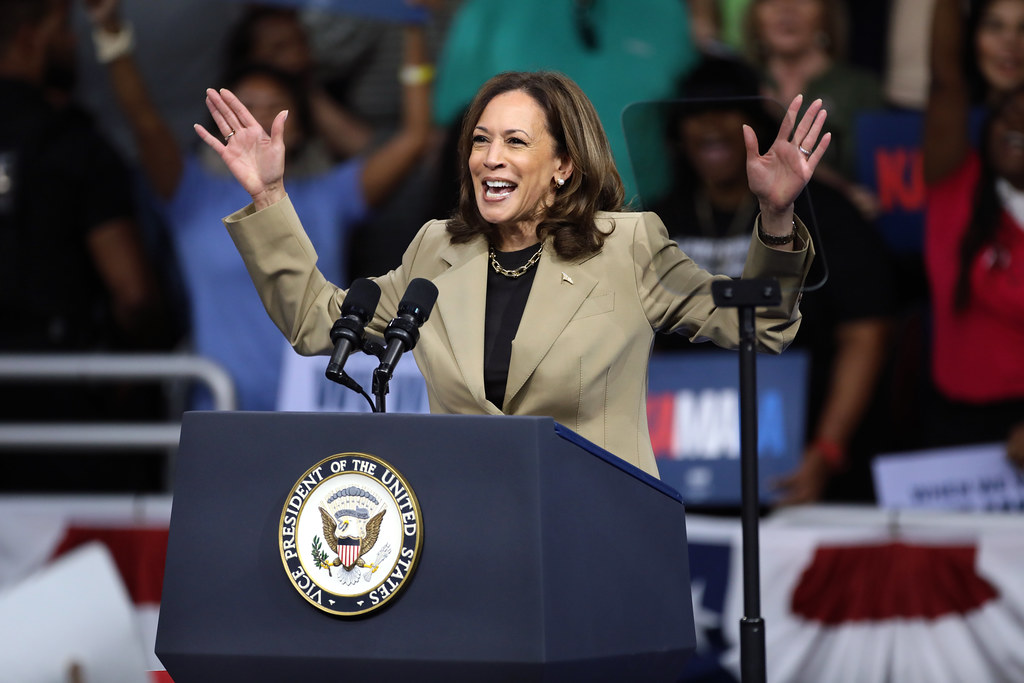
Federal Election Commission filings have shed light on the substantial financial activity of Vice President Kamala Harris’s presidential campaign over a three-month period, highlighting an expenditure spree that has drawn significant scrutiny. The campaign’s spending totaled a reported $1 billion, raising questions about the effectiveness and outcomes of such financial commitments.
The filings indicate that a considerable portion of the funds was directed toward advertising efforts, campaign staffing, and large-scale events. Despite the massive outlay, the returns on these investments appear to have fallen short of expectations, as reflected in the campaign’s ultimate performance in the election.
Analysts have pointed out that while high-profile events and extensive ad placements often play key roles in presidential campaigns, the allocation and strategic impact of such expenditures are critical. Some critics argue that mismanagement of resources may have hindered Harris’s campaign efforts, while campaign insiders maintain that the spending was necessary to reach broad voter bases.
The release of these financial details has further intensified post-election scrutiny and sparked discussions within Democratic circles on campaign strategies, resource allocation, and future planning. As political analysts dissect the implications, the campaign’s financial report serves as a focal point in understanding what worked, what didn’t, and what lessons can be drawn for future endeavors in the political arena.