
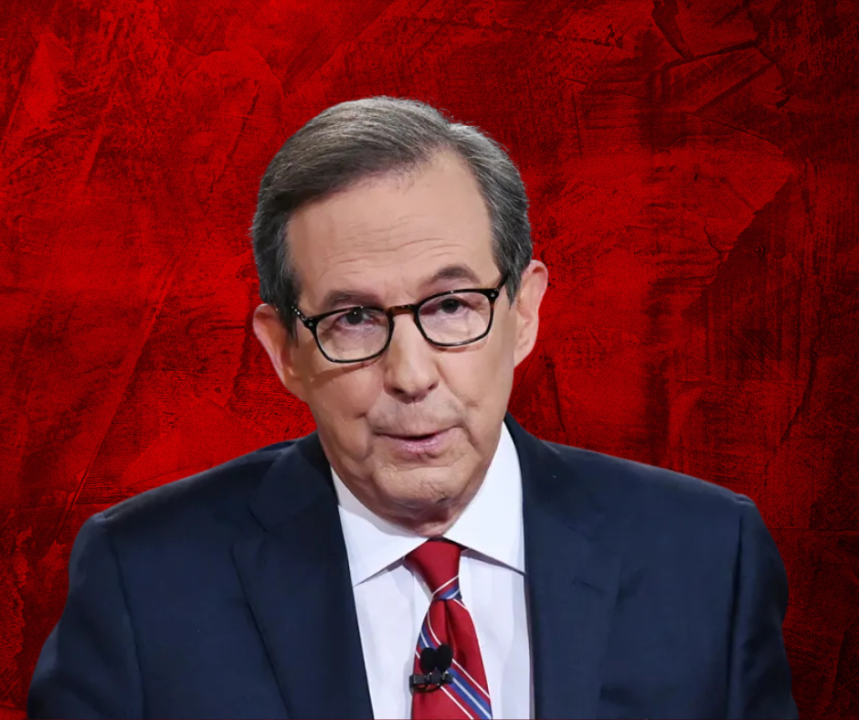
Veteran journalist Chris Wallace reportedly departed CNN after the network made the decision to cancel his show, Who’s Talking to Chris Wallace? The abrupt departure, which has drawn attention in media circles, follows a period of declining ratings and changing programming strategies at CNN.
Wallace, who joined CNN in 2022 after leaving Fox News, was brought in with high expectations to lead the network’s shift toward a more serious, interview-based format. However, despite the initial buzz surrounding his hiring, his program struggled to attract consistent viewership. The cancellation of Who’s Talking to Chris Wallace? reflects the network’s broader re-evaluation of its lineup and its efforts to streamline content for a more competitive position in the 24-hour news cycle.
Sources close to the situation indicate that Wallace’s departure was mutually agreed upon after discussions with CNN leadership. Wallace has not publicly commented on his exit, but reports suggest he will remain under contract with the network for a period, although the details of his future with CNN are unclear.
The move has sparked a flurry of speculation about Wallace’s next steps. Known for his incisive interviews and decades-long career in political journalism, Wallace is considered a prominent figure in American media. While CNN has faced criticism for low ratings in recent years, Wallace’s tenure at the network was seen as an attempt to attract a different audience and expand its appeal beyond the traditional news format.
Wallace’s exit also comes at a time when CNN is rethinking its direction under new leadership. With the cancellation of several shows in recent months, including Who’s Talking to Chris Wallace?, the network is focusing on restructuring its programming and shifting its content to be more in line with its evolving audience’s preferences.
The news has left industry watchers wondering about the future of news and talk programming at CNN, as the network faces increased competition from other major outlets like MSNBC, Fox News, and streaming platforms, all of which continue to vie for viewer attention in a changing media landscape.