
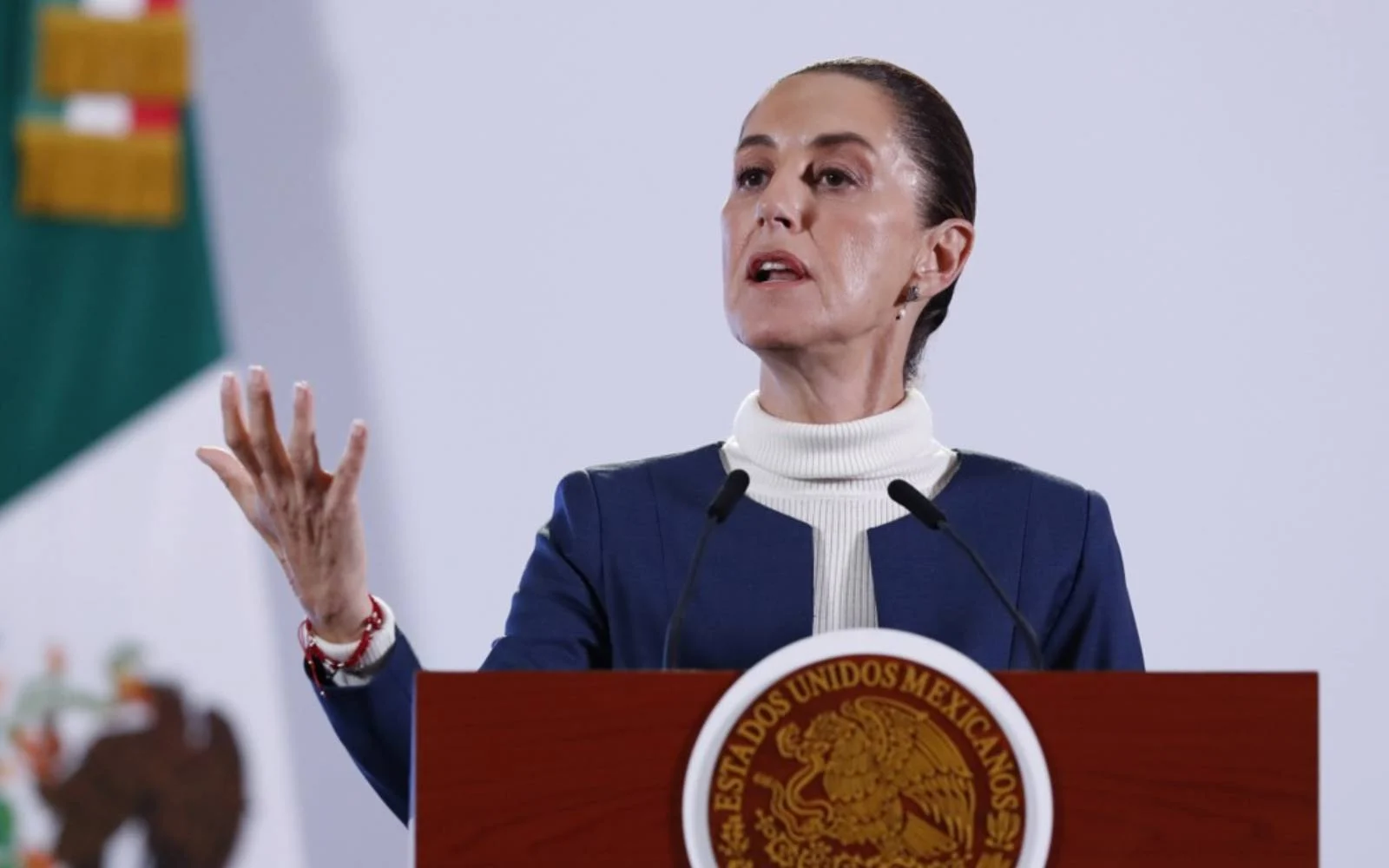
Mexico’s president-elect has indicated that the country may impose retaliatory tariffs in response to threats from President-elect Donald Trump to introduce new tariffs targeting Mexican exports. Trump’s proposed measures aim to pressure Mexico into taking stronger action on border security and migration, a key issue of his upcoming administration.
The Mexican leader described the potential U.S. tariffs as a step that could harm both economies, noting that Mexico is prepared to defend its interests if Trump’s administration proceeds with the plan. While expressing hope for continued diplomatic solutions, he stressed that Mexico would not hesitate to implement countermeasures if necessary.
Trump’s threat to impose tariffs on Mexican goods comes as part of his broader strategy to tighten border controls and reduce unauthorized migration. The move has reignited debates about the economic consequences of using trade policies as leverage in political negotiations. Critics argue that such tariffs could disrupt supply chains and lead to higher costs for consumers in both countries.
Mexican officials have also highlighted the importance of maintaining the mutually beneficial trade relationship established under agreements like the United States-Mexico-Canada Agreement (USMCA). They have called for dialogue to resolve differences and avoid escalating trade tensions that could affect industries ranging from agriculture to automotive manufacturing.
As Trump’s administration prepares to take office, the potential for a trade standoff with Mexico adds another layer of complexity to the already contentious issues surrounding immigration and border security. The outcome of these negotiations will likely have significant implications for both economies and the broader U.S.-Mexico relationship.