
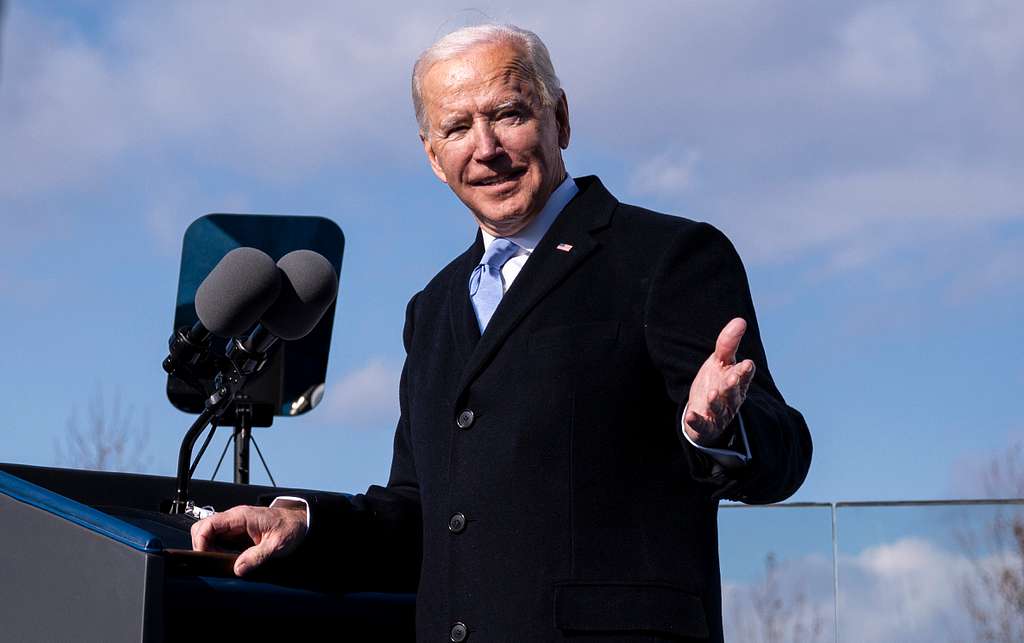
President Joe Biden is reportedly preparing to pardon his son, Hunter Biden, in a surprising turn of events that has sent shockwaves through political circles. The potential pardon follows years of legal scrutiny surrounding Hunter Biden’s business dealings and personal conduct, issues that have been a frequent target for critics of the Biden administration.
The decision marks a dramatic reversal for President Biden, who has previously emphasized the independence of the Department of Justice and the importance of allowing investigations to proceed without interference. Critics argue that a pardon could undermine the president’s commitments to accountability and transparency, fueling allegations of preferential treatment.
Supporters of the president, however, frame the pardon as a compassionate act for a family member who has faced intense public and legal scrutiny. They point to the personal toll the investigations have taken on the Biden family and argue that the president’s actions are rooted in his role as a father.
The potential move has reignited fierce partisan debates, with opponents accusing the administration of abusing executive power to shield Hunter Biden from accountability. Congressional leaders from both sides of the aisle are closely monitoring developments, with some calling for further investigations into Hunter’s activities and the president’s involvement.
Legal experts note that presidential pardons are a broad constitutional power, but they remain a controversial tool when applied to close family members. If finalized, this pardon would add to the list of contentious uses of executive clemency in U.S. history.
As the nation reacts to the news, the political and public fallout from this decision is likely to shape discussions about ethics, justice, and presidential authority in the months ahead.