
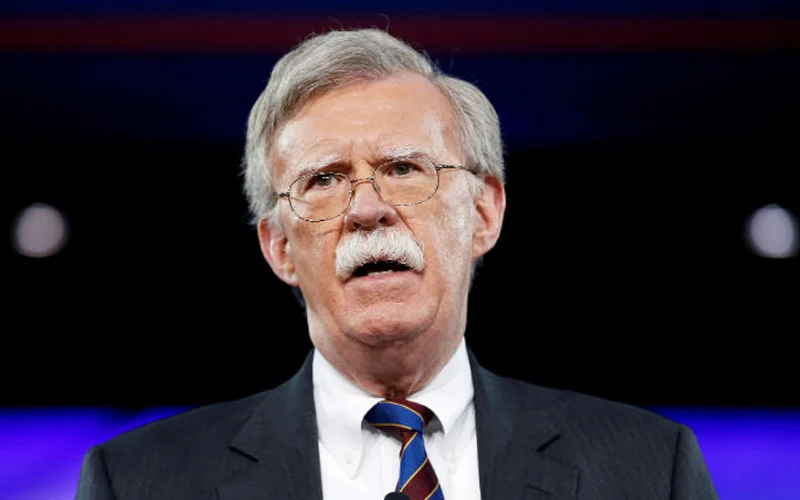
Former National Security Advisor John Bolton has sparked controversy with sharp criticism of President-elect Donald Trump’s decision to nominate Kash Patel as the next FBI Director. In a striking remark, Bolton likened Patel’s potential leadership style to that of a high-ranking official in a historically authoritarian regime, drawing parallels intended to underscore his concerns about the nomination.
Bolton’s comments reflect his ongoing opposition to Trump’s administration and Patel’s close alignment with the president. He argued that Patel’s strong ties to Trump could threaten the FBI’s independence, suggesting that his nomination risks further politicizing the agency at a critical juncture.
Supporters of Patel, however, have dismissed Bolton’s remarks as exaggerated and politically motivated. They argue that Patel’s experience in national security and his commitment to transparency make him a strong candidate to lead the FBI, particularly in addressing criticisms of bias and inefficiency within the agency.
Patel has previously been involved in high-profile investigations and is known for challenging intelligence processes he viewed as flawed. While his defenders view him as a reformer capable of restoring public trust in the FBI, critics, like Bolton, fear his approach could lead to the agency’s subordination to political agendas.
The nomination sets the stage for a contentious confirmation process, with lawmakers likely to question Patel’s vision for the FBI’s future and his capacity to maintain its autonomy. Bolton’s remarks, while polarizing, highlight broader concerns about the delicate balance between political leadership and institutional independence within federal agencies. As the debate unfolds, the implications of Patel’s nomination for the FBI’s credibility and effectiveness remain central to the discussion.