
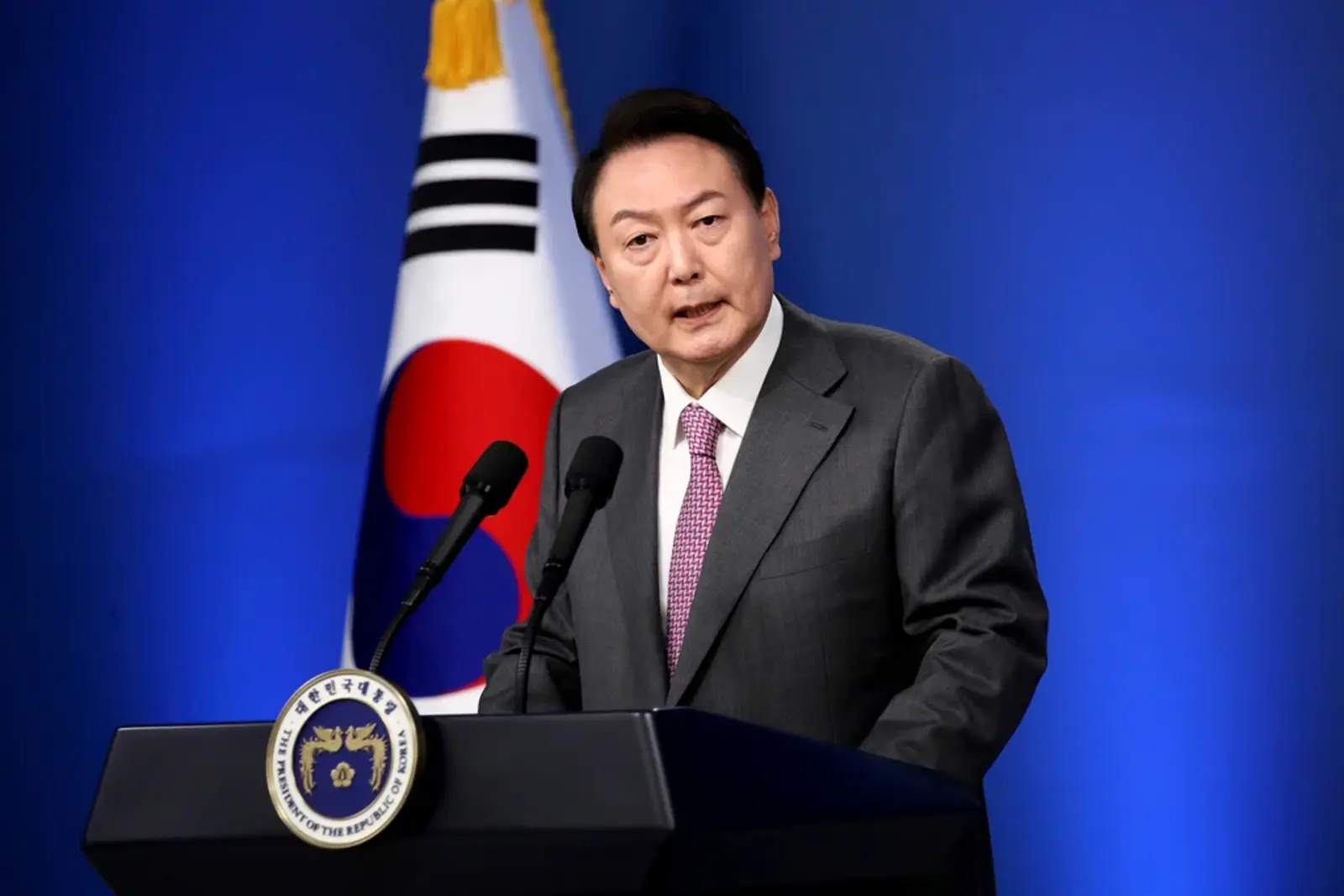
South Korean President Yoon Suk-yeol has declared martial law in response to escalating tensions with the opposition party, a move that has sent shockwaves through the nation’s political landscape. The unprecedented decision follows months of political unrest and growing clashes between the ruling administration and its critics.
The declaration grants the military expanded authority to maintain order and enforce security measures, effectively sidelining traditional civilian governance in key areas. President Yoon justified the move, citing concerns over threats to national stability and allegations of illegal activities by opposition leaders. He emphasized that the action was necessary to safeguard democracy and prevent further unrest.
Critics, however, have condemned the decision, calling it a severe overreach of executive power. Opposition leaders accused the administration of using martial law as a tool to suppress dissent and silence political rivals, warning that the move sets a dangerous precedent for the nation’s democracy.
The declaration comes amid heightened tensions following investigations into alleged corruption and misconduct within the opposition party. Supporters of President Yoon argue that the measures are essential to restore order and hold individuals accountable for wrongdoing. Meanwhile, opponents claim the government is weaponizing legal processes to consolidate power and stifle dissent.
International observers have expressed concern over the situation, with some calling for restraint and urging the South Korean government to ensure that civil liberties and democratic processes are upheld. The United Nations and human rights organizations have issued statements closely monitoring developments, warning against potential abuses under martial law.
The move has sparked protests across South Korea, with demonstrators taking to the streets to voice their opposition to the decision. The deployment of military forces in urban areas has further fueled tensions, as citizens demand the restoration of civilian control and the preservation of democratic norms.
As the situation unfolds, the declaration of martial law is expected to remain a focal point of political and public debate in South Korea. Its long-term implications for the country’s democracy and stability remain uncertain, with both domestic and international attention fixed on how the administration navigates the crisis.