
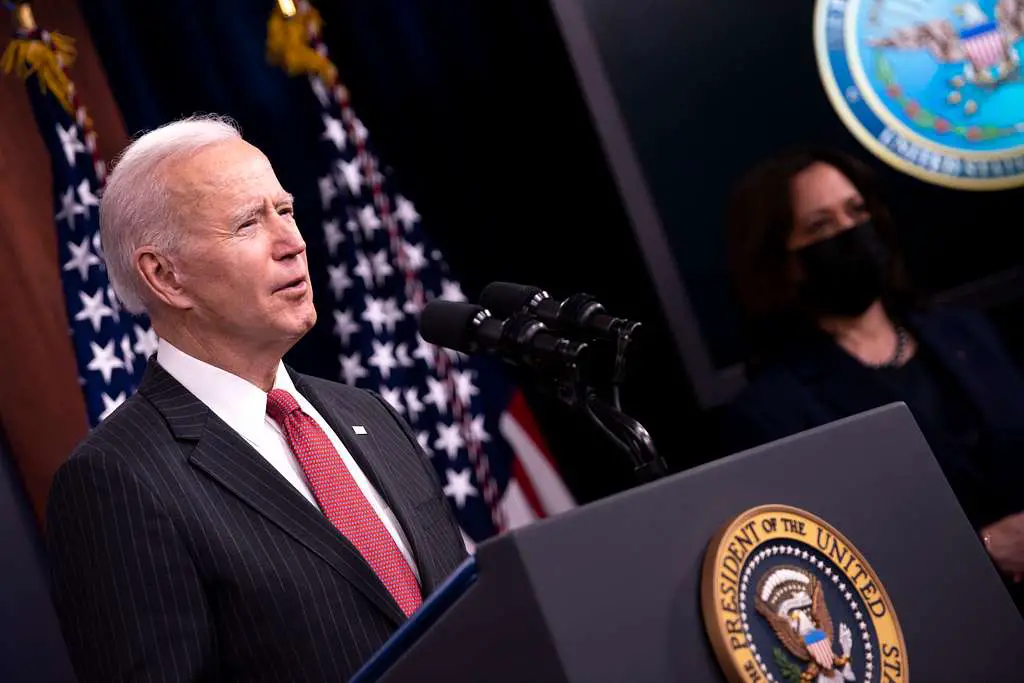
President Joe Biden, during a diplomatic trip to Angola, drew attention with remarks about his time in office nearing its end and an apparent slip referring to the nation as a “city.” The visit was part of a broader tour aimed at strengthening ties between the United States and African nations, but Biden’s comments quickly became a focal point of media and public discourse.
While addressing a group during his visit, Biden reflected on his tenure, noting that his time as president was limited, which some interpreted as an acknowledgment of his impending departure from public office. The comment, though casual, reignited speculation about his future plans and the potential for leadership transitions within the Democratic Party.
Biden also referred to Angola as a “city” while being led through a tour, a geographical misstep that was corrected in the moment. Though minor, the error added to a growing list of public misstatements that critics have seized upon to question the president’s focus and stamina during international engagements.
Despite the momentary distractions, Biden’s trip to Angola emphasized the importance of fostering stronger diplomatic and economic relationships with African nations. The president highlighted key initiatives aimed at boosting trade, development, and security partnerships in the region.
Supporters of Biden dismissed the attention on his remarks as overblown, emphasizing the substantive goals of the visit and his administration’s efforts to enhance U.S.-Africa relations. They noted that occasional verbal missteps are not uncommon in high-pressure diplomatic settings.
Opponents, however, pointed to the incident as further evidence of what they describe as a pattern of verbal gaffes, raising questions about Biden’s preparedness for the demands of international diplomacy as he approaches the latter stages of his presidency.
While Biden’s comments drew a mix of reactions, his trip underscored the United States’ strategic interest in strengthening ties with African nations. The visit is part of a broader agenda to counter the growing influence of other global powers in the region, reinforcing the U.S. commitment to collaborative partnerships on the continent.