
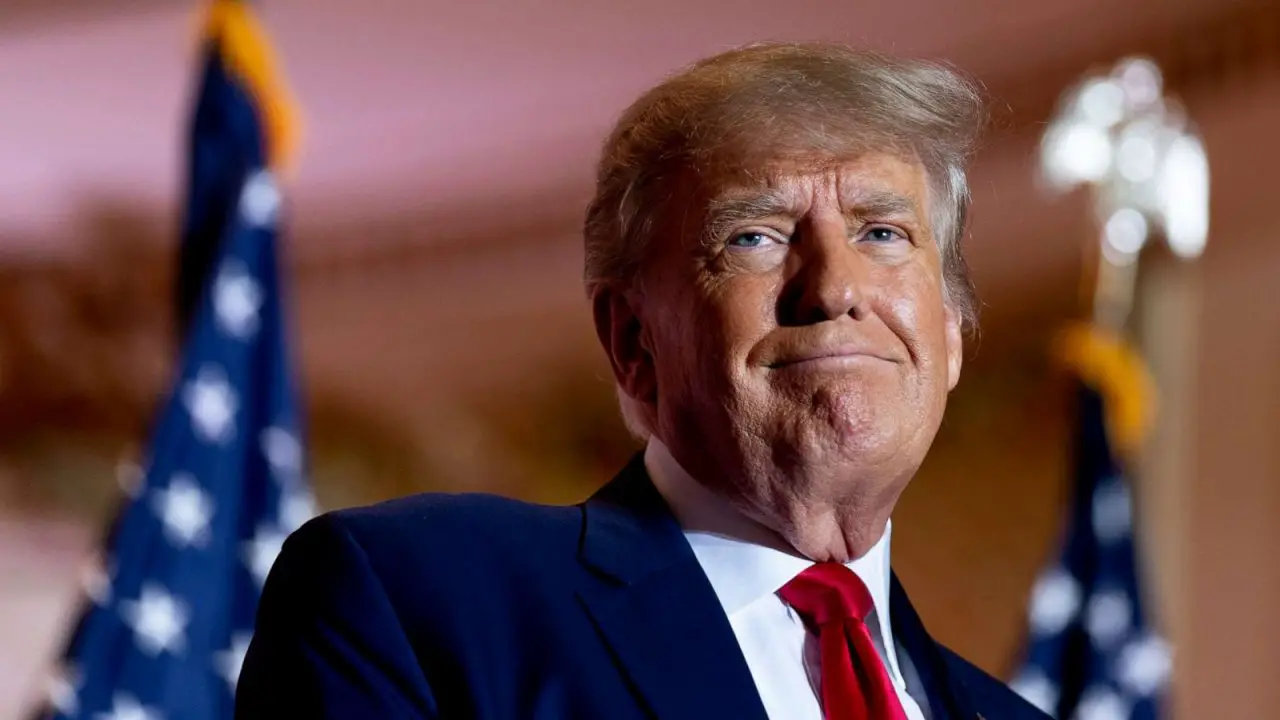
Former President Donald Trump has reportedly sparked headlines after suggesting, possibly in jest, that Canada could become the 51st U.S. state. The remark comes in the wake of a tense exchange between Trump and Canadian Prime Minister Justin Trudeau over potential tariffs that Trump claims could significantly impact Canada’s economy.
According to sources, Trump’s comments were made during a private discussion addressing the trade dispute, where he hinted that Canada’s economic challenges under a proposed tariff could be alleviated by closer integration with the United States. While the suggestion was seemingly made in a light-hearted manner, it quickly garnered attention from political analysts and media outlets.
The dispute arose after Trump floated the idea of imposing steep tariffs on Canadian goods, arguing that they are necessary to protect American industries and balance trade deficits. Trudeau responded with concerns, warning that such measures could severely harm Canada’s economy, calling the potential tariffs “crippling.”
Trump’s suggestion of a U.S.-Canada merger, even as a hypothetical, has prompted a range of reactions. Supporters of Trump’s aggressive trade policies argue that his tough stance is designed to secure better deals for the United States. Critics, however, see the remarks as a provocative jab at Canada’s leadership, highlighting the strained relationship between the two countries during Trump’s previous term.
Trade relations between the United States and Canada have historically been robust, but moments of tension have arisen, particularly under policies that affect industries such as automotive manufacturing, dairy, and steel. This latest exchange underscores the complexities of negotiating economic policies between two deeply interconnected economies.
While the idea of Canada becoming the 51st state is far from being a serious proposal, it adds a colorful dimension to ongoing discussions about international trade and diplomatic strategy. As both nations continue to navigate economic policies, the broader implications of their negotiations will likely have lasting impacts on the North American trade landscape.