
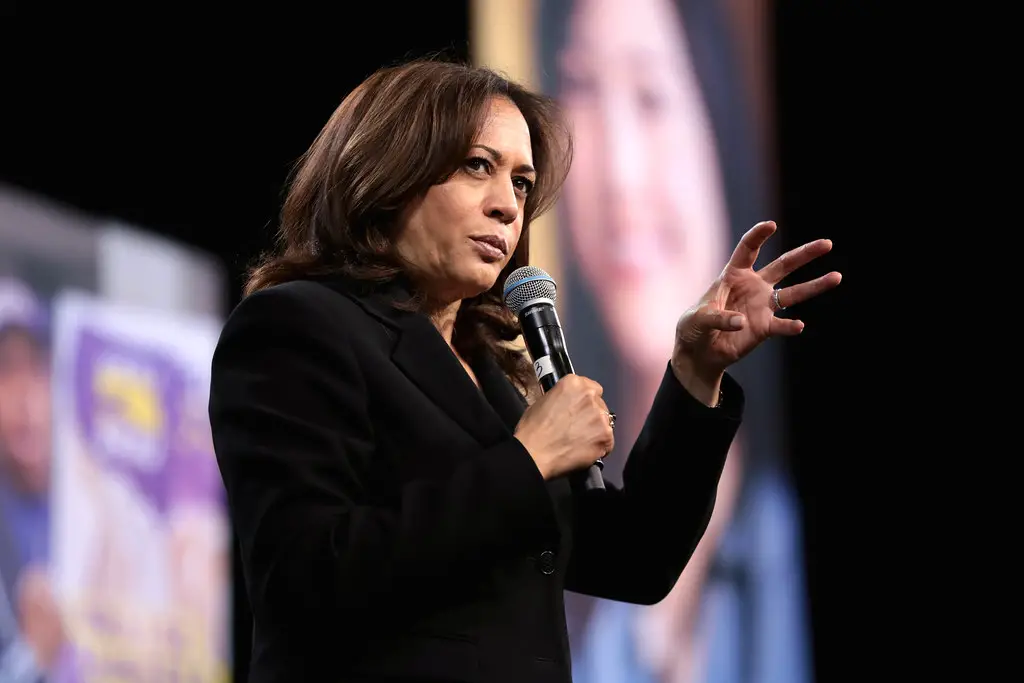
A senior aide from Kamala Harris’s recent presidential campaign has acknowledged a significant strategic error, pointing to the absence of a competitive Democratic primary as a major factor in the campaign’s struggles. The aide’s candid reflection has sparked discussions about the importance of primary contests in energizing candidates and building momentum.
In a post-campaign analysis, the aide referred to the decision to avoid engaging in a primary battle as a “cardinal sin,” suggesting it left Harris without the platform to sharpen her message, connect with a broader voter base, and address criticisms head-on. The lack of a primary race, they argued, hindered her ability to galvanize Democratic voters and establish herself as a formidable contender against Republican opponents.
Political analysts have echoed this sentiment, noting that primary elections often serve as a proving ground for candidates. They allow candidates to refine their strategies, test messaging, and demonstrate resilience under pressure. Without this process, Harris’s campaign faced challenges in solidifying its identity and rallying widespread support.
Critics within the Democratic Party have raised concerns about overconfidence in the campaign’s approach, suggesting that bypassing a traditional primary underestimated the value of grassroots engagement and underestimated voter sentiment. Supporters of Harris, however, argue that the decision was an effort to present a unified front in a politically divided landscape, though the strategy ultimately fell short.
The campaign’s postmortem also highlights broader lessons for future Democratic contenders. Many strategists emphasize the importance of embracing primary debates and challenges as opportunities to strengthen a candidate’s appeal and credibility.
As discussions about Harris’s campaign unfold, they reveal the complexities of navigating modern political campaigns and the balancing act between strategy and voter engagement. While the aide’s admission sheds light on the campaign’s missteps, it also offers valuable insights for the party as it looks to rebuild and prepare for future elections.