
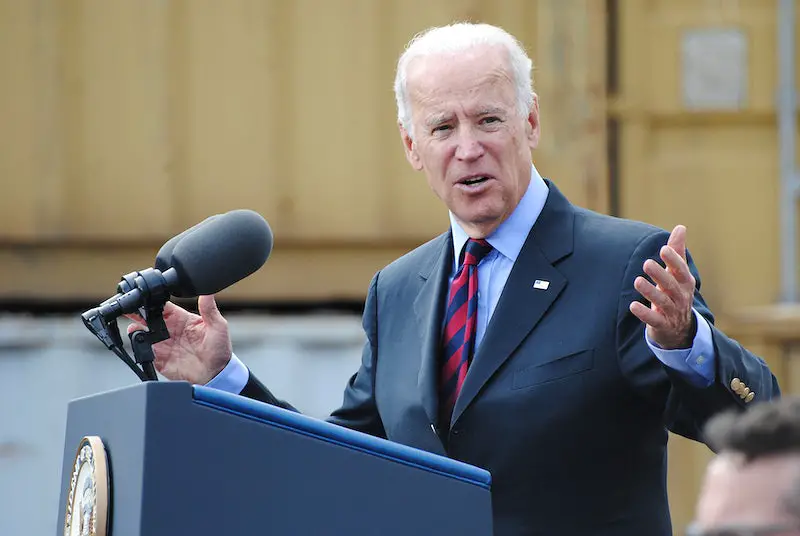
President Joe Biden has executed a landmark act of clemency, commuting approximately 1,500 sentences and issuing 39 pardons in a single day. The move marks the largest one-time exercise of presidential clemency in modern history and reflects the administration’s commitment to criminal justice reform.
The clemency grants focused largely on individuals convicted of non-violent drug offenses, many of whom were serving lengthy sentences under mandatory minimum laws from previous decades. The president’s actions aim to address what the administration has described as systemic inequities in sentencing policies, particularly those disproportionately affecting minority communities.
In a statement, the White House emphasized the significance of providing a second chance to individuals who have demonstrated efforts to rehabilitate themselves. Many recipients of the commutations and pardons were praised for their positive contributions to society, including engaging in community service, mentoring at-risk youth, and pursuing education or vocational training during their incarceration.
“These acts of clemency are a step toward rectifying the injustices of the past and ensuring that our justice system reflects fairness and humanity,” President Biden remarked during the announcement.
Critics, however, have raised concerns over the scale of the action. Some lawmakers and advocacy groups argue that clemency on such a large scale risks overlooking thorough case-by-case evaluations. Others have questioned the timing of the announcement, suggesting it may have political motivations.
Advocates for criminal justice reform have widely welcomed the decision, praising the administration for taking decisive action to address longstanding disparities. “This is a significant moment for justice in America,” said a spokesperson for a leading reform organization. “It’s proof that we can move toward a more equitable system while supporting the rehabilitation of individuals.”
The administration has indicated that these clemencies are part of a broader strategy to reform the justice system. Alongside these actions, the president has called for legislative changes to outdated sentencing laws, urging Congress to pass reforms that eliminate disparities and create more opportunities for early release programs.
Each of the clemency recipients underwent a rigorous review process, according to the Department of Justice, to ensure they met criteria such as good behavior, demonstrated remorse, and a low risk of recidivism. The announcement has brought attention to the thousands of clemency applications still pending, with advocacy groups calling for continued momentum in addressing cases.
This sweeping act of clemency underscores the administration’s focus on balancing accountability with redemption, reigniting debates about the role of clemency in advancing broader justice reforms.