
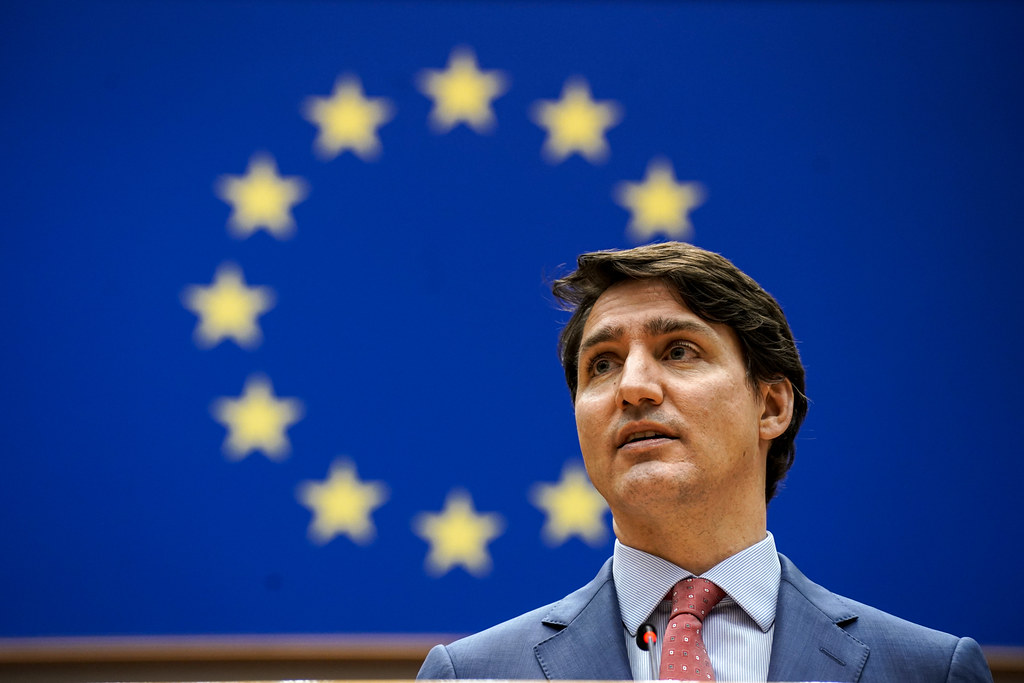
Canadian Prime Minister Justin Trudeau is reportedly on the brink of stepping down as his Liberal government faces a severe crisis, prompting speculation over his future leadership. Growing political instability and internal dissatisfaction within the Liberal Party have amplified concerns about Trudeau’s ability to navigate through this turbulent period.
The collapse of Trudeau’s government stems from a culmination of economic struggles, declining public confidence, and mounting opposition criticism. A series of contentious policies and controversies have eroded support for the Liberal leadership, leaving the party struggling to maintain its footing.
Sources close to Trudeau suggest that the Prime Minister has been deliberating his next steps amid growing calls for his resignation. Key political allies have begun distancing themselves from his administration, raising further questions about the party’s unity. Some high-ranking officials have reportedly urged Trudeau to consider stepping aside to pave the way for a leadership transition that could help restore public trust.
The political turmoil comes at a time when Canada grapples with economic uncertainty, rising inflation, and increasing dissatisfaction over domestic policies. These challenges have intensified scrutiny on Trudeau’s leadership, with opposition parties seizing on the moment to demand change.
Political analysts argue that Trudeau’s potential resignation would mark a significant turning point in Canadian politics. His departure could trigger a leadership race within the Liberal Party, setting the stage for a broader realignment ahead of the next federal election.
For now, Trudeau remains under immense pressure to reassure both his party and the Canadian public of his government’s ability to address the pressing issues at hand. However, with tensions mounting and speculation spreading, the future of Trudeau’s leadership hangs in the balance.