
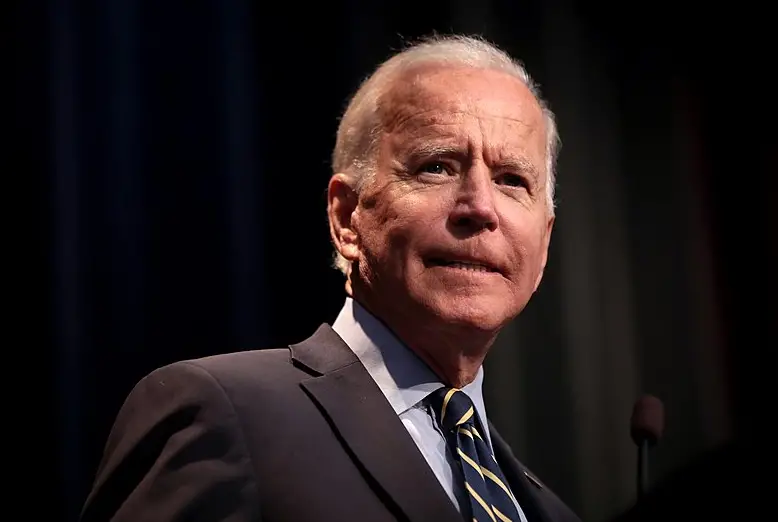
The Biden administration’s proposed water heater regulations are raising concerns about potential economic impacts, particularly on vulnerable populations like seniors and low-income households. The plan aims to enforce stricter energy efficiency standards for water heaters, part of a broader effort to combat climate change and reduce energy consumption. However, critics warn that the policy may inadvertently lead to increased costs for consumers.
According to experts, the new standards would likely require the replacement of older, less efficient models with modern units that meet the updated guidelines. While the change could result in long-term savings on utility bills, the upfront cost of purchasing and installing these water heaters could be significant, disproportionately affecting those on fixed or limited incomes.
Advocacy groups for seniors and low-income families have voiced concerns about the affordability of the transition, emphasizing that many individuals already struggle with utility expenses. They argue that without sufficient subsidies or financial assistance programs, the policy could deepen financial strain on vulnerable communities.
Supporters of the initiative highlight the environmental benefits, noting that energy-efficient water heaters could reduce greenhouse gas emissions and decrease overall energy demand. The administration is exploring measures to ease the financial burden on affected households, including potential rebates or incentives.
As the debate continues, policymakers are urged to balance environmental goals with the economic realities faced by millions of Americans. The final decision on the proposed regulations is expected to be made later this year, with stakeholders on both sides closely watching the outcome.