
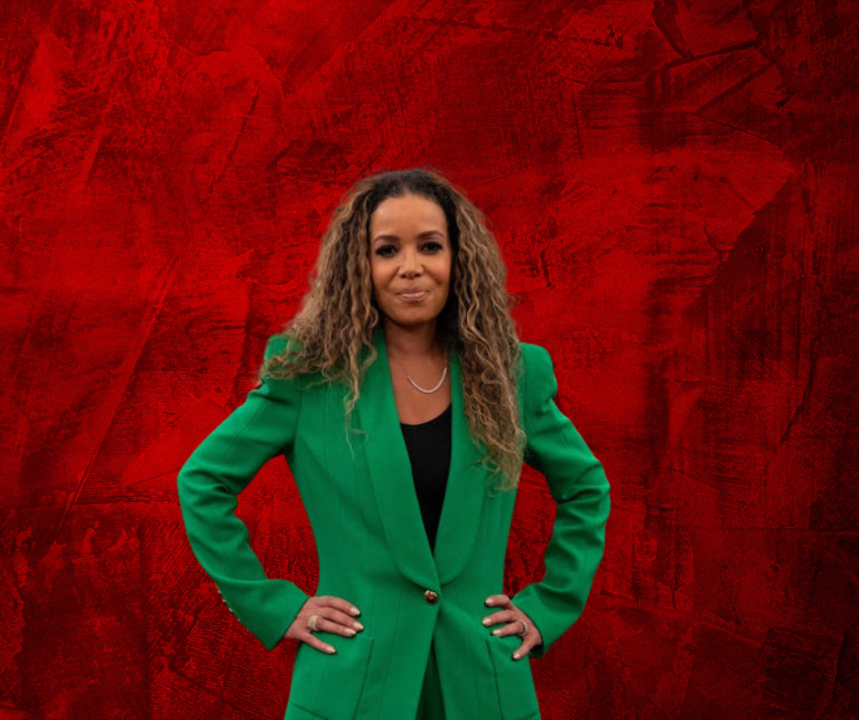
A recent televised discussion sparked debate when a commentator made comparisons between the events of January 6 and significant historical atrocities, including World War II, the Holocaust, and slavery. These remarks drew both support and criticism, highlighting the deeply polarized perspectives surrounding the Capitol breach.
During the discussion, the commentator emphasized the perceived gravity of the January 6 events, arguing that the implications for democracy warranted comparisons to historical moments of profound societal impact. The remarks aimed to underline the perceived threat to the nation’s democratic framework but faced immediate pushback from critics who argued that such comparisons were inappropriate and diminished the unique historical weight of those other events.
Critics from across the political spectrum contended that drawing parallels to events like the Holocaust and slavery trivializes the suffering and loss experienced during those periods. They argued for a more measured approach when discussing contemporary political events, emphasizing the need for historical context and sensitivity.
Supporters of the comparison maintained that it underscored the severity of threats to democratic institutions, arguing that historical parallels can serve as warnings about the potential consequences of political instability.
The debate reflects broader tensions in public discourse, where differing interpretations of events often lead to polarized views. It also underscores the challenges of balancing emotional resonance with historical accuracy in public commentary. Experts encourage thoughtful discussion and caution against oversimplified comparisons, advocating for dialogue that fosters understanding and mutual respect.