
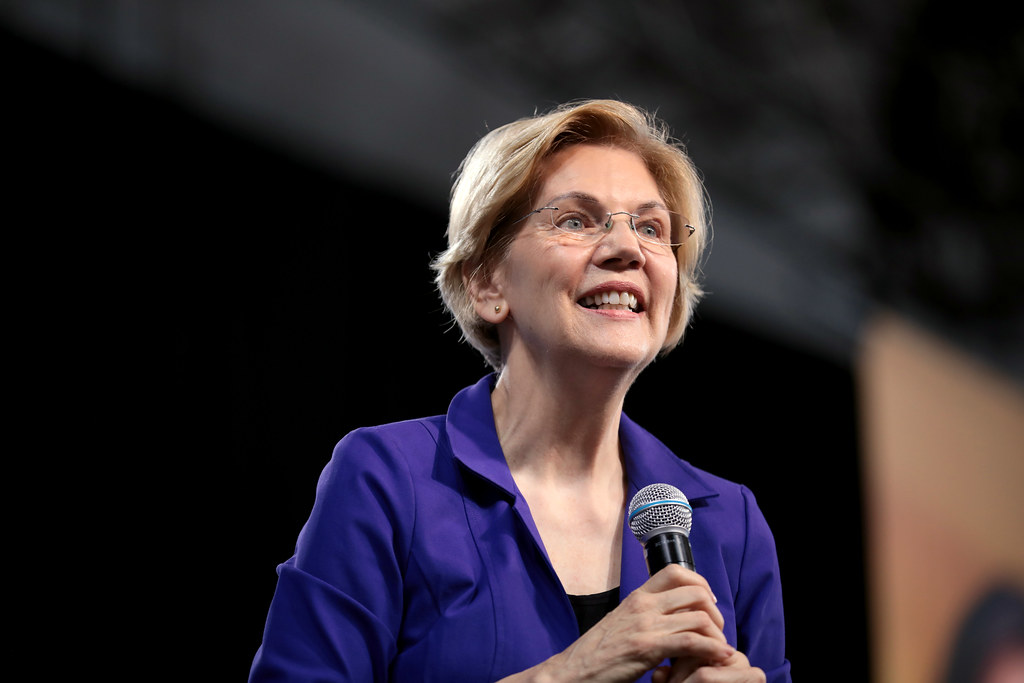
Senator Elizabeth Warren recently voiced criticism over commentary by media personality Pete Hegseth, focusing on his display of a Christian-themed tattoo and his advocacy against progressive ideologies often referred to as “woke.” Warren’s comments highlighted her concerns about what she views as an increasing overlap between political messaging and religious symbolism.
During a public appearance, Warren described Hegseth’s display as an example of using faith as a political tool, suggesting it could alienate those who hold differing beliefs. She also took issue with his broader campaign against progressive policies, which he frequently criticizes on social media and during televised segments.
Hegseth, known for his outspoken positions on cultural and political issues, has embraced what he calls a “pro-Christian” and “anti-woke” stance, often highlighting themes of faith, family, and patriotism. His tattoo, prominently displayed during recent media coverage, includes imagery tied to his Christian beliefs, which he has stated are central to his values.
Critics of Warren’s remarks argue that her response undermines individuals’ rights to express their faith openly. Supporters of Hegseth have pointed out that his messaging resonates with a segment of Americans who feel their values are underrepresented in the current cultural climate.
The exchange underscores the ongoing tension between different cultural and political factions in the United States, where symbols, beliefs, and ideologies often become focal points of broader debates. As discussions about identity and policy continue to evolve, figures like Hegseth and Warren remain at the forefront, reflecting the deep divisions and passions shaping modern political discourse.