
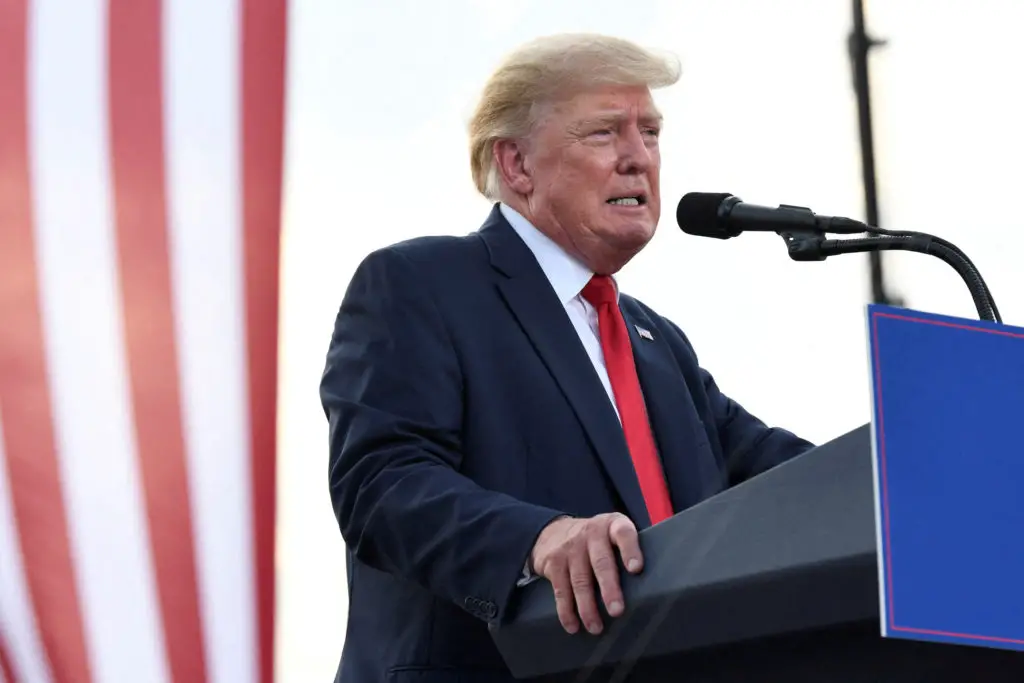
President Donald Trump is set to announce a policy aimed at ending birthright citizenship for children born in the United States to undocumented immigrants. The forthcoming executive action, which is expected to be a cornerstone of his immigration agenda, seeks to redefine longstanding interpretations of the 14th Amendment.
According to administration officials, the policy change is intended to curb what they describe as an ongoing challenge of unauthorized immigration and to prevent individuals from exploiting birthright citizenship laws. Trump has long advocated for stricter immigration measures, arguing that automatic citizenship for children of undocumented immigrants incentivizes illegal crossings and places an undue burden on public resources.
The proposed move is expected to face significant legal challenges, with constitutional scholars and immigrant advocacy groups arguing that the 14th Amendment guarantees citizenship to all individuals born on U.S. soil, regardless of their parents’ immigration status. Legal experts predict a lengthy court battle that could ultimately reach the Supreme Court.
Supporters of the policy argue that it is a necessary step to enforce immigration laws and uphold national sovereignty, while critics warn that it could lead to complex legal and humanitarian issues, potentially impacting thousands of families across the country.
As Trump prepares to roll out this significant policy shift, the announcement is likely to ignite heated debates in Congress and among civil rights organizations, further shaping the national conversation around immigration reform and constitutional interpretation.