
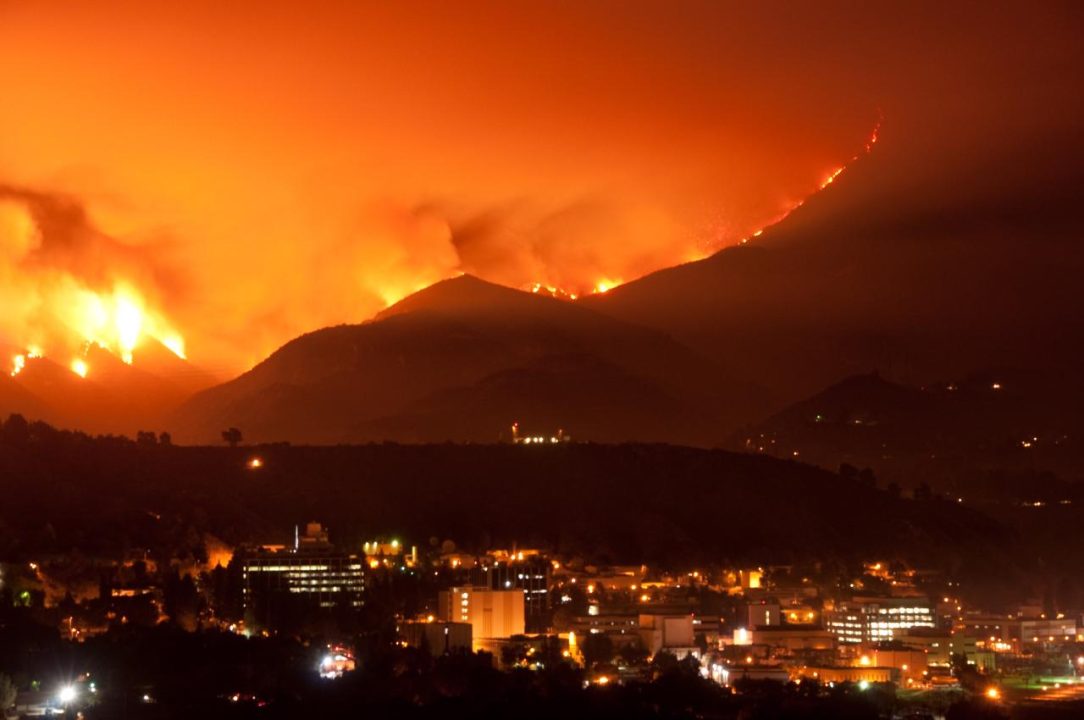
In the aftermath of devastating wildfires in Southern California, many residents are grappling with the daunting decision of whether to return to their homes. A prominent real estate expert has identified a primary reason why some victims are choosing not to go back: the overwhelming challenges associated with rebuilding. For many survivors, the emotional scars left by the fires are profound. Individuals like Karen Myles, who fled her Altadena home in the dead of night, express a deep reluctance to rebuild after losing everything. “I’m not going to rebuild. Oh no. Hell no,” she stated, highlighting her desire to relocate somewhere new rather than face the daunting task of reconstruction. This sentiment resonates widely among those affected, as the memories of trauma linger long after the flames have been extinguished.
The rebuilding process is not just emotionally taxing; it is fraught with logistical hurdles. Survivors face uncertainties regarding insurance coverage, as many find themselves in newly designated fire zones that complicate their ability to secure adequate protection for future disasters. As Marcus Beer, a resident who lost his home, pointed out, “If we go back, are we uninsurable?” This question underscores a significant fear among homeowners: that returning could lead to financial instability due to high insurance costs or lack of coverage altogether. Moreover, residents are concerned about the long-term implications of living in areas still recovering from disaster. The potential for toxic debris and ongoing construction raises health concerns for families, especially those with children. Jewelry designer Charlotte Dewaele expressed her worries about returning to her rental home surrounded by destruction, questioning whether her child would need to wear a mask outdoors for years due to lingering pollutants.
Another critical factor contributing to the reluctance to return is the loss of community. Many residents have been uprooted and scattered as they seek temporary housing solutions. The sense of belonging that once defined their neighborhoods has been shattered, leaving them feeling isolated and disconnected from their support systems. As one resident poignantly noted, “We want to come home, and our homes are gone… It’s gone. We’ve all been uprooted and scattered to the wind.” The combination of emotional distress, logistical challenges related to insurance and health concerns, and the loss of community makes the prospect of returning home after a wildfire a complex and often unappealing choice for many victims. As these individuals navigate their recovery journeys, their stories highlight the urgent need for comprehensive support systems that address both immediate needs and long-term rebuilding efforts.