
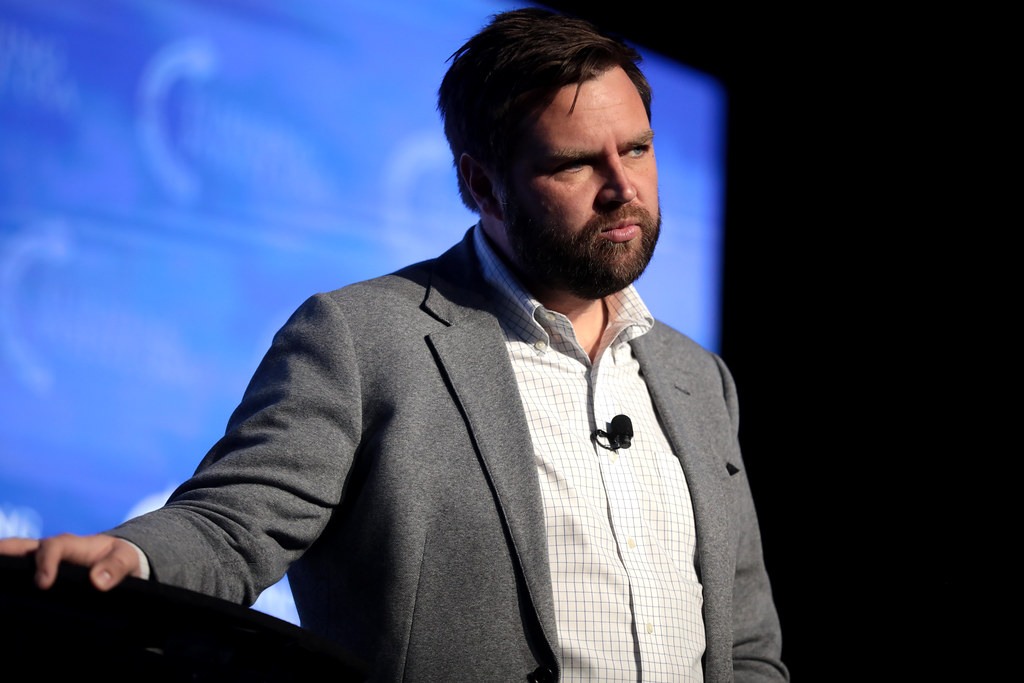
In a recent interview on CBS’s “Face the Nation,” Vice President JD Vance addressed the U.S. Conference of Catholic Bishops’ (USCCB) criticism of the Trump administration’s immigration policies, particularly the decision to allow Immigration and Customs Enforcement (ICE) to conduct raids in sensitive locations such as churches and schools. The bishops had expressed concern that these policies would create an atmosphere of fear and distrust among vulnerable communities seeking refuge. Vance, identifying as a practicing Catholic, expressed disappointment over their stance, suggesting that the bishops might be more focused on financial interests rather than genuine humanitarian concerns. He pointed out that the USCCB receives over $100 million to assist in resettling undocumented immigrants, questioning whether their motivations align with the needs of those they serve.
During the interview, Vance defended the administration’s tough approach to immigration enforcement, asserting that it reflects the will of the American people. He emphasized the importance of public safety, particularly when it comes to individuals with violent criminal backgrounds. When asked if he supported ICE operations in places typically viewed as sanctuaries, Vance maintained that law enforcement must act decisively to protect communities. He expressed hope that these policies would deter illegal immigration and reduce fears among immigrant families about sending their children to school. His comments highlight a broader narrative within the Trump administration that prioritizes strict immigration enforcement as a means of ensuring public safety.
The exchange between Vance and the bishops underscores a significant tension between political leaders and religious authorities regarding immigration policy. As discussions around this contentious issue continue to evolve, Vance’s remarks serve as a reminder of the complexities involved in balancing enforcement with compassion. This debate is particularly relevant in today’s political climate, where immigration remains a hot topic and public sentiment is divided. Moving forward, it will be crucial for both political leaders and religious organizations to engage in constructive dialogue to address these challenges while considering the humanitarian implications of their policies.