
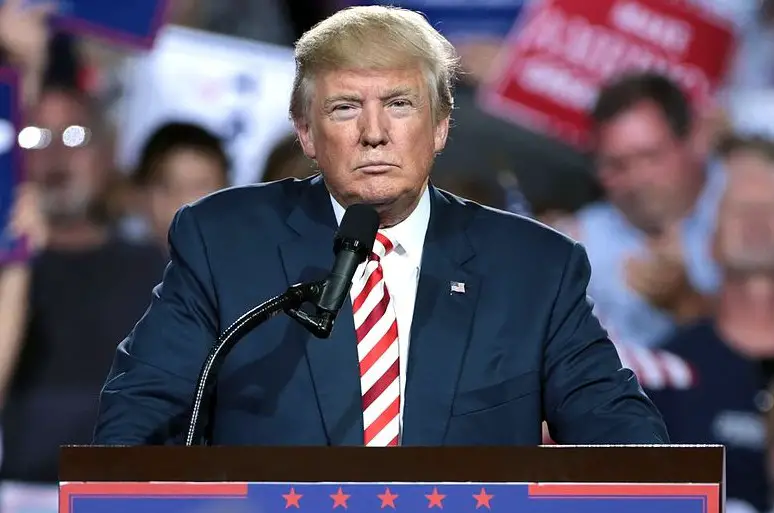
In a recent statement, former President Donald Trump pledged to investigate the increasing number of mysterious drone sightings reported across the United States. This announcement comes amid growing public curiosity and concern about unidentified drones appearing in various locations, often without clear explanations for their presence. Trump emphasized the need for transparency and accountability, promising that if he were to return to office, he would prioritize uncovering the truth behind these sightings. His comments have reignited discussions about national security and the implications of unregulated drone activity in American airspace.
Experts in aviation and security have weighed in on the phenomenon, with some suggesting that these drones could be linked to various activities, ranging from surveillance to recreational use. However, the lack of concrete information has led to speculation and fear among communities that have witnessed these aerial devices. In light of Trump’s commitment to address the issue, many are eager to see what measures might be implemented to regulate drone usage and ensure public safety. The former president’s focus on this topic reflects a broader trend of addressing technological advancements and their potential impacts on society.
As the conversation around drone sightings continues to evolve, it raises important questions about privacy, security, and regulation in an increasingly tech-driven world. With Trump’s promise to investigate these incidents, there is hope among concerned citizens that more information will be made available regarding who is operating these drones and for what purposes. As discussions unfold, it will be crucial for lawmakers and experts to collaborate on creating effective policies that balance innovation with the safety and rights of individuals. The outcome of this inquiry could set significant precedents for how drone technology is managed in the future.