
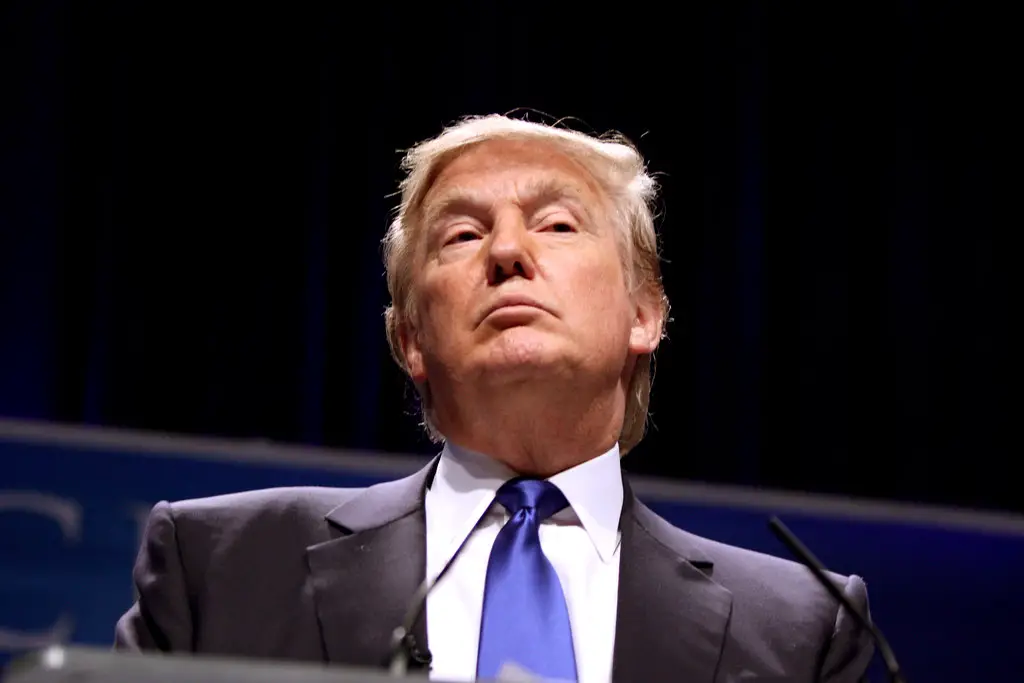
President Donald Trump is set to sign a series of new executive orders today, targeting diversity, equity, and inclusion (DEI) programs in federal agencies and reinstating a ban on transgender individuals serving in the military. These measures are part of the administration’s broader agenda to reshape policies that it views as inconsistent with its priorities.
The executive order addressing DEI programs will reportedly eliminate federal funding for initiatives that focus on diversity training and related activities. Administration officials argue that such programs have promoted divisiveness within government institutions and distracted from their core missions. The move has sparked debate, with critics warning that dismantling DEI programs could undermine efforts to create more equitable workplaces.
Additionally, the reinstatement of a ban on transgender service members marks a significant policy shift. The Trump administration had previously imposed similar restrictions during Trump’s first term, citing concerns over medical costs and unit cohesion. Advocates for the policy argue that the decision is based on operational readiness and budgetary considerations, while opponents view it as discriminatory and harmful to the rights of LGBTQ+ individuals.
The announcements have already drawn sharp reactions from advocacy groups and lawmakers. Civil rights organizations have vowed to challenge the measures, citing potential violations of individual rights and workplace equity. Meanwhile, supporters of the administration’s actions praise the orders as steps toward restoring traditional values and reducing federal spending.
As these executive orders take effect, the administration faces scrutiny from both supporters and critics over their implications for federal employees, military service members, and the broader workforce. The policies are expected to fuel ongoing debates over diversity, inclusion, and the rights of marginalized groups in government institutions.