
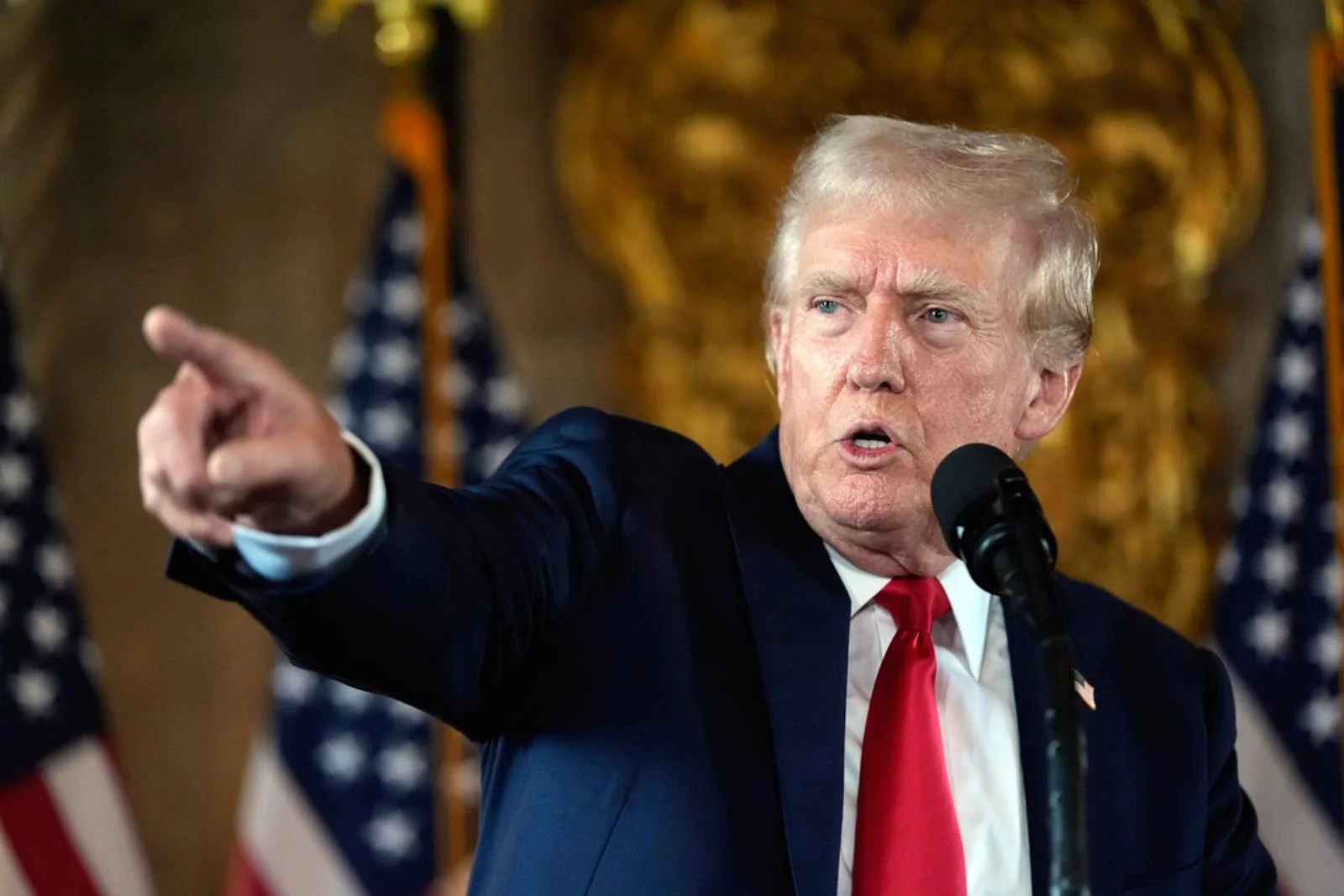
President Donald Trump engaged in a heated exchange with a CNN reporter during a press briefing after being questioned about his remarks linking diversity, equity, and inclusion (DEI) policies to the recent plane crash near Washington, D.C. The confrontation highlighted the ongoing debate over whether DEI initiatives influence safety standards in critical industries.
The tense moment unfolded when the reporter pressed Trump on his suggestion that DEI hiring practices may have played a role in the aviation incident. Trump defended his stance, arguing that hiring in safety-sensitive fields should be based solely on merit and qualifications rather than diversity-driven initiatives. He insisted that prioritizing experience and expertise is essential to maintaining high industry standards.
The reporter challenged Trump’s assertion, pointing out that no evidence had been presented linking DEI policies to the crash. The president fired back, accusing the media of ignoring what he described as potential systemic issues affecting workforce competency in industries like aviation.
The exchange quickly gained attention, with supporters of Trump agreeing that merit-based hiring should be the standard in fields such as aviation, transportation, and public safety. Critics, however, accused him of using the tragedy to further his opposition to DEI policies without concrete evidence.
Federal investigators continue to examine the cause of the crash, with authorities cautioning against speculation before the completion of a full inquiry. Despite the administration’s efforts to roll back DEI programs in government agencies, the broader debate over workplace diversity policies remains a contentious issue in both political and corporate circles.
As the investigation into the crash moves forward, Trump’s comments have reignited discussions about hiring standards and whether diversity initiatives have any impact on operational safety in critical industries. The exchange underscores the deep political divide over DEI policies and how they are perceived in the context of national security and public safety.