
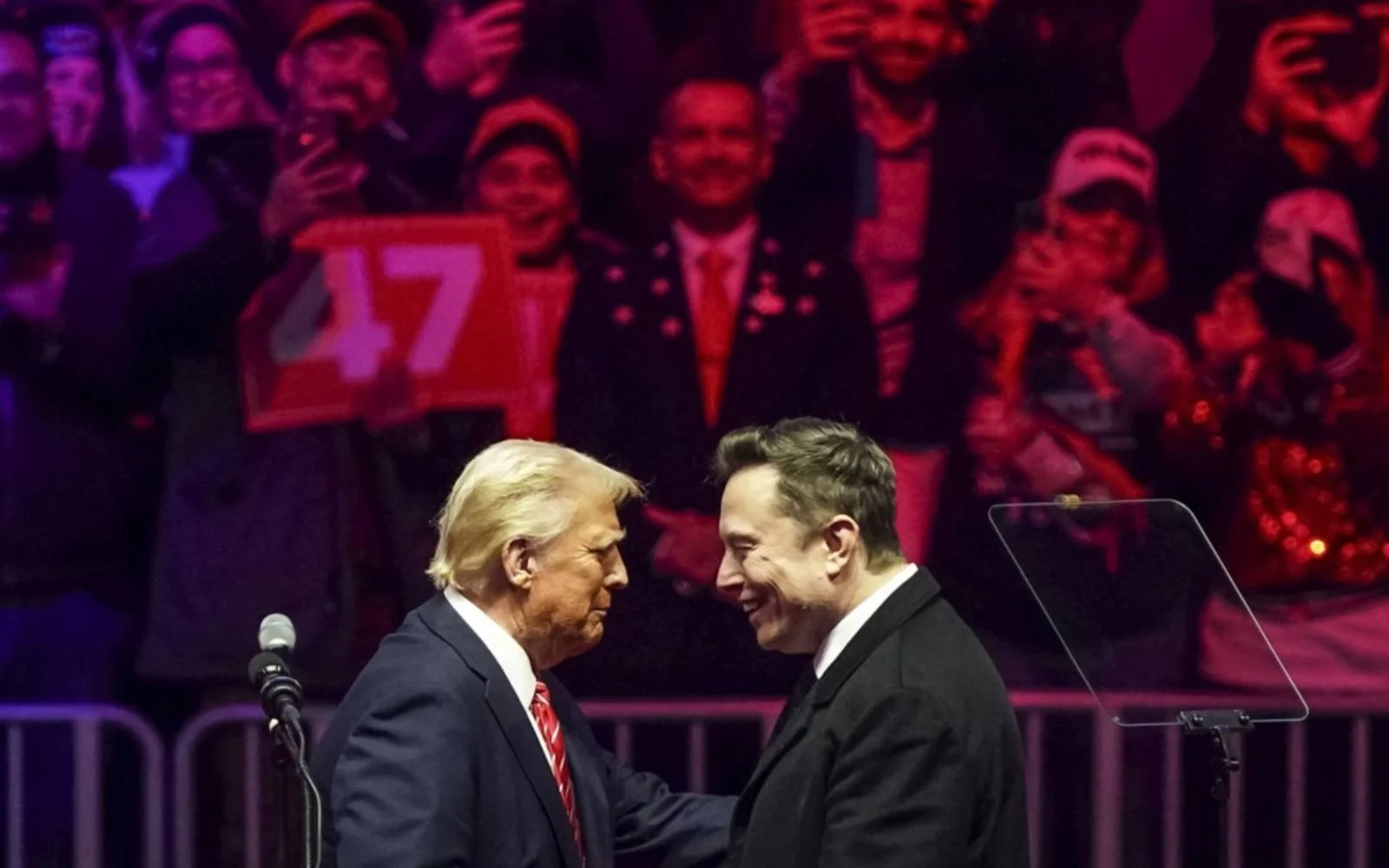
In a recent announcement, President Donald Trump outlined the Department of Government Efficiency’s (DOGE) primary objective: the elimination of the Consumer Financial Protection Bureau (CFPB). Established in 2011, the CFPB’s mission has been to oversee financial institutions and safeguard consumers from unfair practices.
Elon Musk, appointed by President Trump to lead DOGE, has been vocal about his intent to dismantle the CFPB. He argues that the agency imposes excessive regulations that hinder economic growth and innovation. Musk’s stance is that removing such regulatory bodies will streamline government operations and promote efficiency.
This initiative aligns with DOGE’s broader strategy to reduce federal expenditures by identifying and eliminating what it deems redundant or unnecessary agencies. The proposal to abolish the CFPB has ignited a debate among policymakers, consumer advocates, and industry stakeholders.
Supporters of the move assert that the CFPB’s regulations have stifled financial innovation and burdened businesses with compliance costs. They believe that dismantling the agency will lead to a more dynamic financial sector.
Opponents, however, raise concerns about the potential risks to consumers. They argue that the CFPB plays a crucial role in protecting individuals from predatory lending practices and ensuring transparency in financial products. The agency has been instrumental in enforcing regulations that hold financial institutions accountable.
As DOGE advances its agenda, the proposal to eliminate the CFPB will undergo scrutiny in legislative processes. The outcome will significantly impact the regulatory landscape of the U.S. financial system and the balance between government oversight and market freedom.