
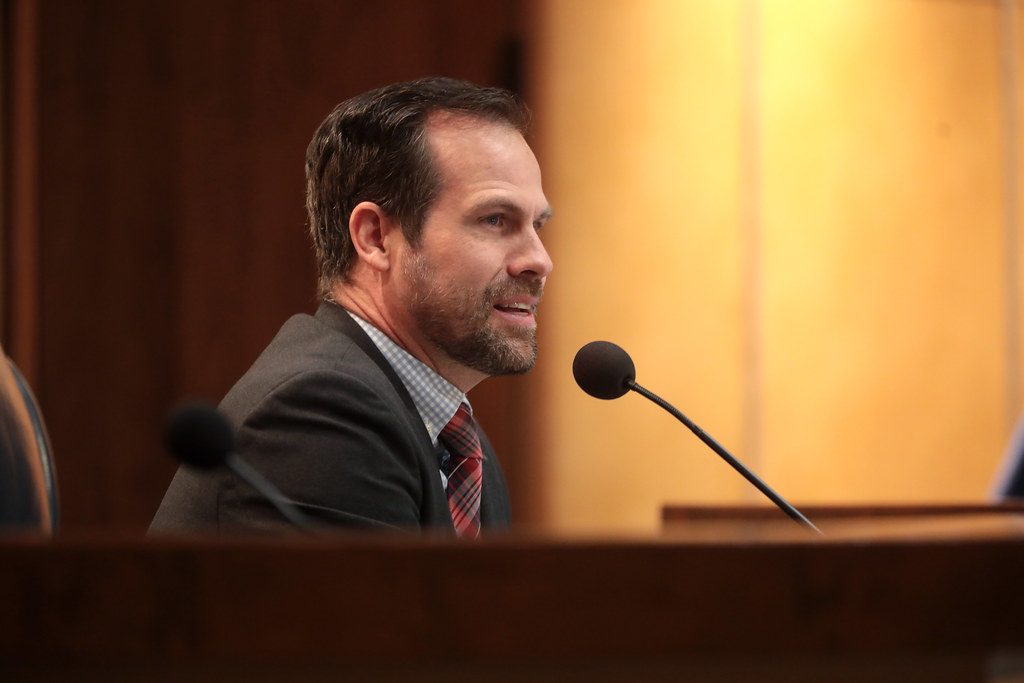
Arizona Senate President Warren Petersen has called upon Interior Secretary Doug Burgum to reverse federal land designations implemented during the Obama and Biden administrations, which he argues have restricted access to valuable uranium deposits. Petersen contends that these designations, particularly the establishment of the Baaj Nwaavjo I’tah Kukveni Grand Canyon National Monument, have hindered domestic uranium production by prohibiting mining activities in areas rich in uranium resources.
The Baaj Nwaavjo I’tah Kukveni National Monument, designated in August 2023, encompasses nearly one million acres near the Grand Canyon. While intended to protect cultural and natural resources, critics argue that the designation limits economic opportunities and energy independence by restricting access to high-grade uranium ore.
Petersen emphasizes the importance of uranium for national security and energy production, noting that the United States relies heavily on foreign sources for this critical mineral. He asserts that reversing these land designations would bolster domestic uranium mining, reduce dependence on imports, and contribute to energy independence.
Opponents of uranium mining in the Grand Canyon region, including various tribal nations and environmental groups, have raised concerns about potential environmental impacts and threats to cultural sites. They argue that mining activities could contaminate water sources and disrupt ecosystems, posing risks to the health and heritage of Indigenous communities.
The debate highlights the ongoing tension between resource development and conservation efforts. As discussions continue, stakeholders are grappling with balancing economic interests, environmental protection, and cultural preservation in the management of public lands.