
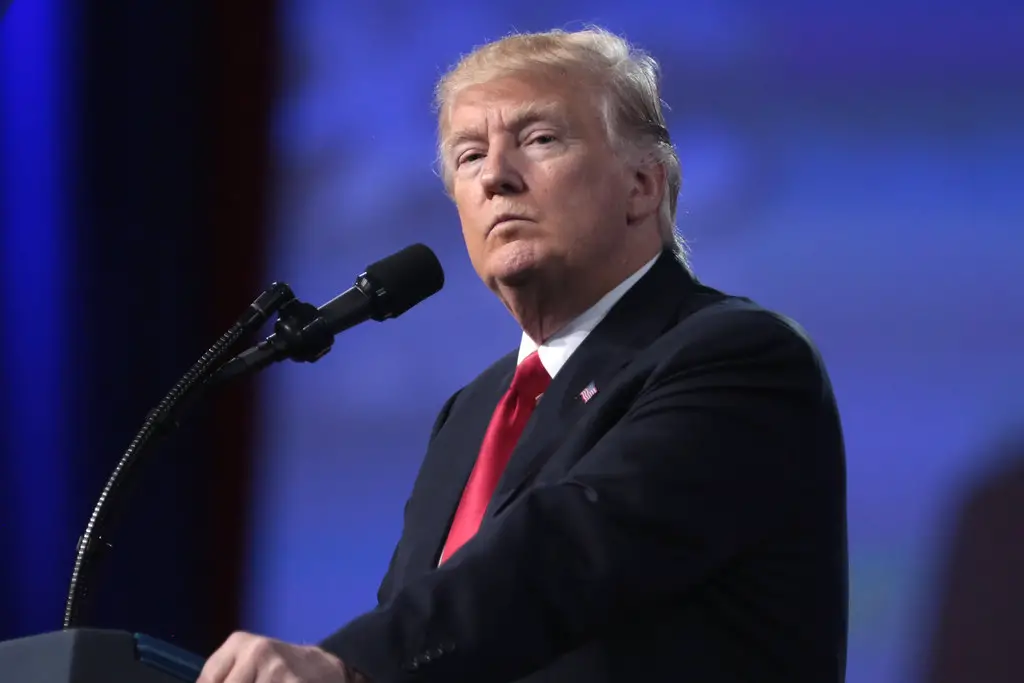
President Donald Trump recently floated the idea of Canada becoming the 51st state, arguing that the country would benefit from increased security and economic advantages under U.S. governance. He pointed to growing geopolitical concerns, particularly with Russian and Chinese naval activity, as a reason why Canada might require stronger protection.
The remark has sparked widespread debate, with Canadian officials quickly dismissing the notion. Prime Minister Justin Trudeau initially brushed off the statement but later acknowledged that Trump’s comments might have been more than just rhetoric.
While discussions about U.S. statehood have historically centered on territories like Puerto Rico and Washington, D.C., the suggestion of Canada joining the union is unprecedented. Political analysts view the statement as unlikely to lead to any real policy changes but note that such remarks could add tension to U.S.-Canada relations, especially amid ongoing trade negotiations.
Reactions from Canadian citizens have ranged from amusement to concern, with many questioning the seriousness of the proposal. While some view it as a political maneuver, others worry about the implications for Canada’s sovereignty and economic independence.