
In a recent hockey match between the United States and Canada, Canadian spectators loudly booed “The Star-Spangled Banner,” reflecting escalating political tensions between the two nations. The incident occurred during the 4 Nations Face-Off tournament at Montreal’s Bell Centre, where over 20,000 fans expressed their disapproval during the U.S. national anthem. In contrast, “O Canada” was met with enthusiastic support.
The game itself was marked by heightened aggression, with three fights erupting within the first nine seconds of play. Notable altercations involved players such as Matthew Tkachuk and Brandon Hagel. The U.S. team ultimately secured a 3-1 victory, advancing to the championship final.
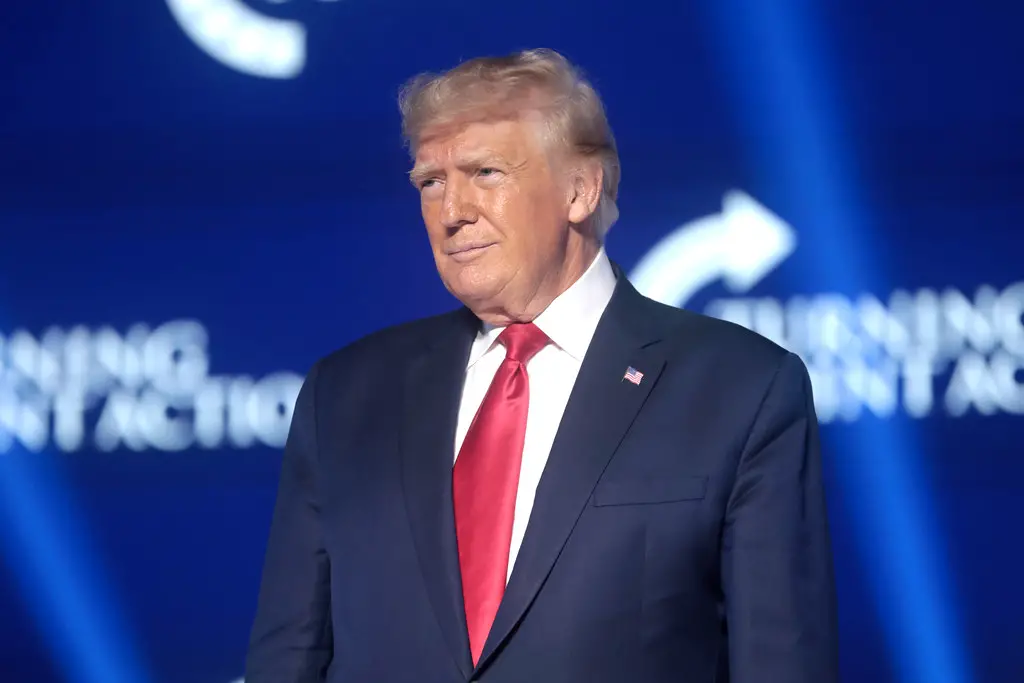
This display of hostility from Canadian fans is partly attributed to recent political developments. President Donald Trump has suggested the annexation of Canada as the 51st U.S. state, a proposal that has been met with widespread condemnation across Canada. Prime Minister Justin Trudeau, present at the game, has publicly dismissed the idea, emphasizing Canada’s sovereignty.
The political climate has also led to economic repercussions, with both nations imposing tariffs on each other’s goods. This trade dispute has further strained relations, contributing to a surge in nationalist sentiments among Canadians. In response to President Trump’s remarks, Canadian citizens have initiated boycotts of American products and services, reflecting a broader sense of national solidarity.
The intersection of sports and politics in this context highlights the deep cultural ties and current frictions between the neighboring countries. As both governments navigate these challenges, the impact on public perception and international relations remains significant.